Skip to the main content.

5 min read

Bacon or Hass Avocado Tree: Which One to Choose?

Bacon or Hass Avocado Tree: Which One to Choose?
10:19

Key Highlights

  • Origin stories: Bacon and Hass avocado trees both have fascinating origins, rooted in California.
  • Seasonality matters: Bacon avocados ripen from January to March, while Hass avocados peak in spring through early fall.
  • Growth differences: Bacon avocado trees are cold-hardy and suitable for lower winter temperatures, while Hass trees flourish in warmer climates.
  • Taste variations: Bacon avocados are mild and creamy, while Hass offers rich, nutty flavors.
  • Commercial preferences: Hass avocados dominate market demand due to higher consumer preference.

Explore their unique traits and discover how to choose the right tree for your needs!


Introduction

Choosing the right avocado tree can be tricky with so many types of avocado trees available today. Whether you're in California or planning to grow one elsewhere, Bacon and Hass avocado trees stand out for their distinct qualities. 

Both varieties thrive in specific climates and are prized for their unique flavors and textures. But which tree is the best match for your location and preferences? Let's unpack the features of these two popular avocado varieties to make your decision simpler.

Overview of Bacon Avocado Tree

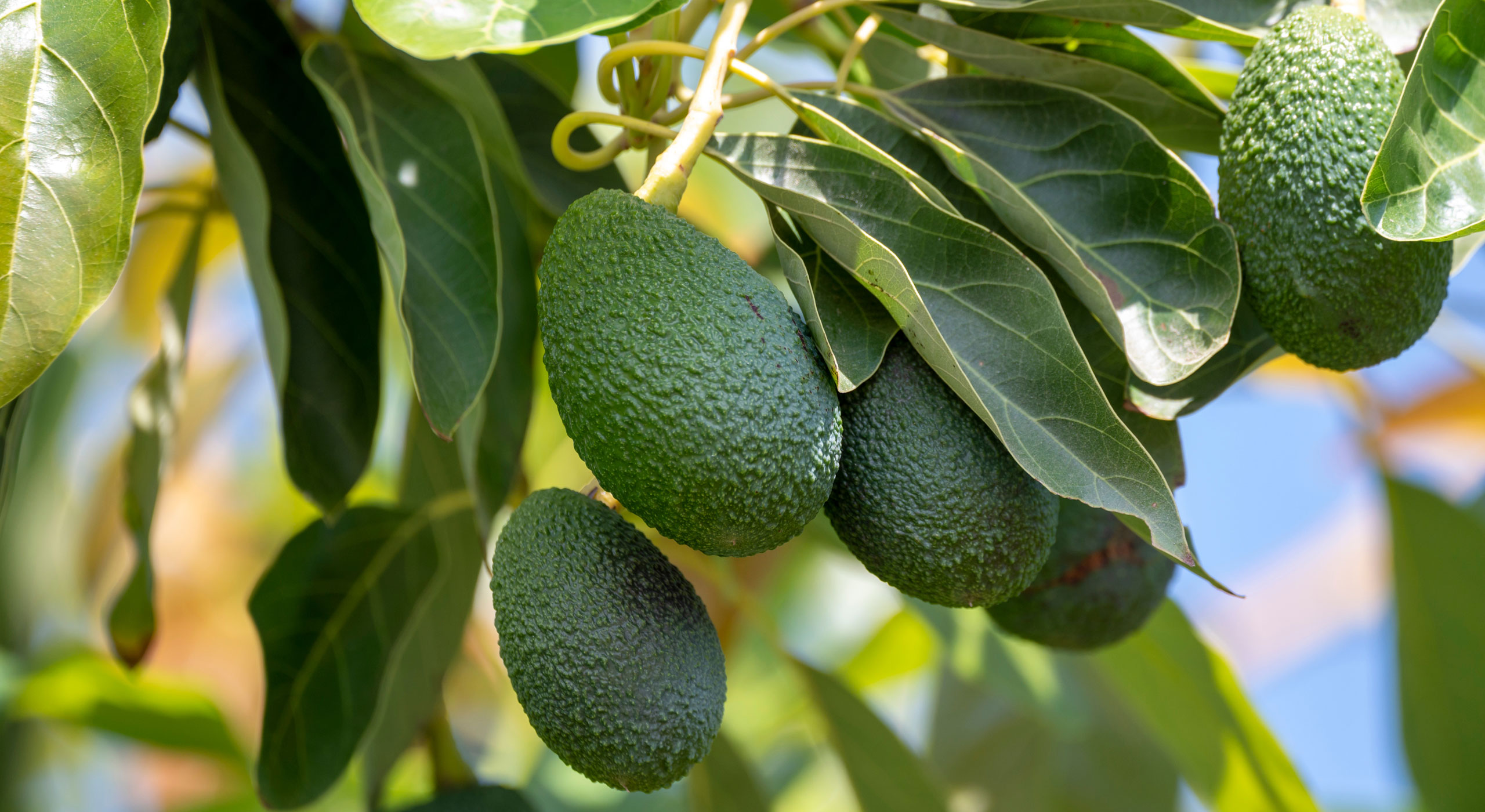
Bacon avocado trees are known for their mild flavor and creamy texture, making them a fantastic addition to salads and toast. These fruit trees perform exceptionally well in areas with lower winter temperatures, displaying admirable cold-hardiness. With upright growth and the ability to reach up to 20 feet, they’re suitable for different climates, especially in southern parts of California. Regular pruning can help you maintain their size.

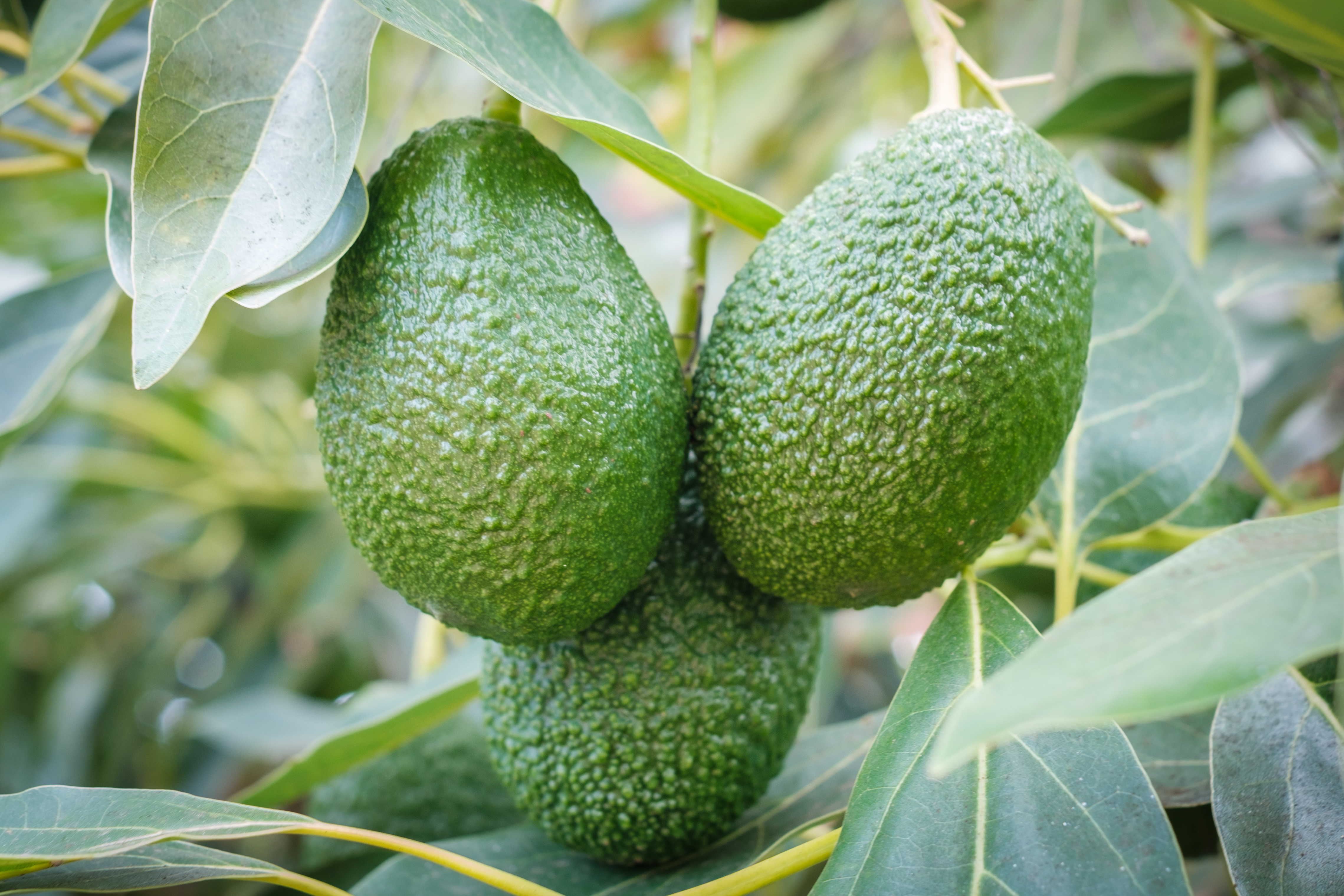
The fruit itself is oval-shaped with dark green, thin skin that’s easy to peel. Bacon avocados boast a light buttery texture with less oil compared to Hass varieties, offering a touch of sweetness. Despite being a smaller commercial variety in California, these trees have carved a space for themselves among growers looking for both practicality and unique flavors.

Origin and Cultivation

Bacon avocado trees hold an intriguing place in history, originally cultivated in 1954 by James Bacon in Buena Park, California. This type of avocado is noted for its hybrid roots, stemming from Mexican varieties that thrive in mild winter climates. Today, these trees continue to perform well in regions with cool, frost-protected conditions.

Their success spans places like southern California, particularly San Francisco and the Central Valley. The trees are equally adaptable in Florida, showcasing versatility across varied planting zones. Hardy to temperatures as low as 25°F, Bacon avocado trees are considered a reliable option for growers facing lower winter temperatures.

Avocado groves featuring Bacon trees often prioritize their cold-resistance, especially in USDA hardiness zones 9 and 10. This adaptability makes them ideal for locations where winter temperatures might challenge other avocado varieties. Are you planning to grow one? Climate considerations are key.

Seasonal Availability and Yield

Bacon avocados thrive during early fall and continue ripening through January to March. Their seasonal availability allows growers to manage harvest schedules effectively by keeping mature fruit on the tree until ready for picking. It’s worth noting (and useful for backyard growers) that avocados don’t ripen on trees, providing flexibility in harvesting.

The characteristic thin skin of Bacon avocados adds practical benefits, such as easy peeling. However, the large pit inside reduces the amount of edible flesh, impacting yield per fruit compared to other varieties. Despite this, their texture and mild sweetness make them an appealing choice for specific culinary uses.

For those planning to cultivate these fruit trees, expectations around yield should align with their smaller footprint in commercial markets. And while Bacon trees require standard care practices, they offer adaptability—a beneficial quality for cooler winters or unpredictable climates.

Understanding Hass Avocado Tree

The Hass avocado tree is renowned as one of the most popular varieties globally. It flourishes in warmer climates and handles lower winter temperatures reasonably well, attracting both home growers and commercial farms alike. Its nutty and rich flavor has made it a market favorite.

Hass avocado trees are notable for their ability to produce larger yields during their peak seasons. With origins in California, these fruit trees cater to areas like the Western United States and complement the growing demand for fresh avocados year-round.

Distinctive Features and Growth Conditions

Hass avocado trees bring unique traits to the table, including their hardy production capabilities. Originating from California, they thrive under warmer conditions but can manage lower winter temperatures, making them a favorite for diverse climates. These popular fruit trees gain their reputation from the rich, nutty flavor of the Hass avocado, known worldwide.

The tree itself is well-suited for commercial farming due to its ability to produce consistent yields. Its smaller leaves add efficiency in water usage while maximizing exposure to sunlight. Growth requirements include full sun and nutrient-rich soil, ensuring trees remain productive.

Gardeners enjoying lower winter temperatures can be confident in Hass trees’ resilience. Popular among growers and farmers alike, this type of avocado tree remains a staple for cultivation zones ranging from California’s avocado groves to plots expanding global reach. Its adaptability truly sets it apart.

Market Demand and Consumer Preferences

The Hass avocado’s reign in global markets owes much to high consumer preferences. Studies from the California Avocado Commission highlight how Hass dominates exports due to its rich taste and creamy texture. These qualities make it the perfect ingredient for guacamole or toast spreads.

Market demand for Hass avocados remains unmatched, especially during peak seasons like spring and summer. Their relatively longer shelf life compared to other avocado varieties ensures Hass has a widespread and loyal following in grocery stores and restaurants across the world, particularly in the U.S.

Additionally, consumer preferences lean heavily towards Hass due to its consistent quality and dense fruit flesh. With such high demand bolstered by commercial production, it’s no surprise that Hass avocado trees remain a lucrative choice for farmers. Planning to grow your own? Hass trees are an ideal starting point.

Comparative Analysis: Bacon vs. Hass

When comparing Bacon and Hass avocado varieties, the differences lie in taste, texture, climate adaptability, and growth demands. Bacon avocados offer a milder, buttery flavor and thrive in cooler climates, whereas Hass avocados exude richer flavors and prefer warmer regions.

Additionally, Hass’s market appeal far outweighs Bacon due to its prolonged shelf life and dense fruit flesh. For growers in diverse climates, both options shine uniquely. Let’s dive deeper into their distinctions to help you decide which tree suits your requirements.

Taste and Texture Differences

Taste and texture are pivotal for choosing between Bacon and Hass avocados. Bacon avocados are milder, slightly sweet, and less oily with a buttery feel, while Hass avocados offer a rich nutty flavor and creamy texture. Preferences may vary based on culinary use.

The oil content also affects the texture differences. Bacon avocados have thin skins, making them easier to slice or spread, whereas Hass avocados hold their creamy texture robustly for dips and mashes.

Variety

Flavor Profile

Texture

Skin

Bacon

Mild, slightly sweet

Less oily, buttery

Thin, dark green skin

Hass

Rich, nutty

Creamy, oily

Thick, pebbled dark skin

Considering taste alone, Hass leads for guacamole while Bacon suits light salads. Your choice depends on usage and personal preference.

Suitability for Different Climates

Climate considerations are essential when selecting between Bacon and Hass avocado trees. Bacon avocado trees thrive in cooler areas like California's Central Valley or Florida. Their cold hardiness down to 25°F makes them adaptable in zones with lower winter temperatures.

Hass avocado trees, on the other hand, flourish in warmer climates across southern California and beyond. They grow best where winters remain mild, as prolonged frost can significantly harm production. For regions with temperature extremes, proactive protection—such as frost covers—is crucial.

Both types serve distinct climates. Those in lower winter temperatures might find Bacon the better choice for reliable growth, while warmer zones should lean toward Hass for consistent yields. Planning for climate adaptability ensures a successful harvest no matter where you plant.

Which Avocado Tree Is Right for You?

Choosing between the Bacon and Hass avocado trees ultimately depends on your specific needs and preferences. Each variety brings unique characteristics, from flavor profiles to growing conditions. While the Bacon avocado is known for its milder taste and cold-hardiness, the Hass avocado often reigns supreme in market demand due to its creamy texture and rich flavor.

By considering factors such as climate suitability and desired yield, you can make an informed decision that suits your gardening goals. For personalized assistance or more information on which avocado tree might be the best fit for you, don't hesitate to get in touch!

Frequently Asked Questions

What are the main differences in care requirements between Bacon and Hass avocado trees?

Bacon avocado trees are more cold-hardy and need extra protection against frosts. Hass avocado trees flourish in warmer climates and typically require nitrogen-rich fertilizer. Both need careful pollination and regular care during early stages, especially when sourced from nurseries as young trees.


Discover the Fuerte Avocado Tree: Care and Benefits

Discover the Fuerte Avocado Tree: Care and Benefits

Key Highlights Fuerte avocado trees thrive in full sun, requiring 6-8 hours of direct sunlight daily for healthy growth and fruit production. Ideal...
Read More
Hass Avocado Tree Care: Your Complete Guide

Hass Avocado Tree Care: Your Complete Guide

Key Highlights Hass avocado trees originated in California, blending Mexican and Guatemalan avocado varieties. They thrive in USDA zones 9-11 with...

Read More
How to Care for Your New Avocado Tree Successfully

How to Care for Your New Avocado Tree Successfully

Key Highlights Avocado trees have a long history of cultivation in Central and South America. Popular varieties like 'Oro Negro' and 'Day' are...

Read More