Skip to the main content.

6 min read

Hass Avocado Tree Care: Your Complete Guide

Hass Avocado Tree Care: Your Complete Guide
11:42

Key Highlights

  • Hass avocado trees originated in California, blending Mexican and Guatemalan avocado varieties.
  • They thrive in USDA zones 9-11 with full sun, acidic soil, and good drainage.
  • Regular fertilization and consistent watering are essential for their growth and fruit production.
  • Avoid over-pruning the tree to maintain its natural conical shape and foliage.
  • Mature Hass avocado trees can reach up to 30-60 feet in height outdoors or 5-7 feet in containers.
  • Their fruits are creamy and versatile, ideal for guacamole, salads, or standalone snacks.

Introduction

Hass avocados are a staple in grocery stores across the United States, admired for their creamy texture and nutty flavor. Whether you’re a fan of avocado toast, guacamole, or adding avocado to salads, growing your own Hass avocado tree can be a fulfilling endeavor. 

These popular fruit trees offer not only delicious produce but also a beautiful addition to your garden. With proper care and maintenance, owning a Hass avocado tree brings abundant benefits to both your culinary adventures and outdoor space.

Understanding Hass Avocado Tree Basics

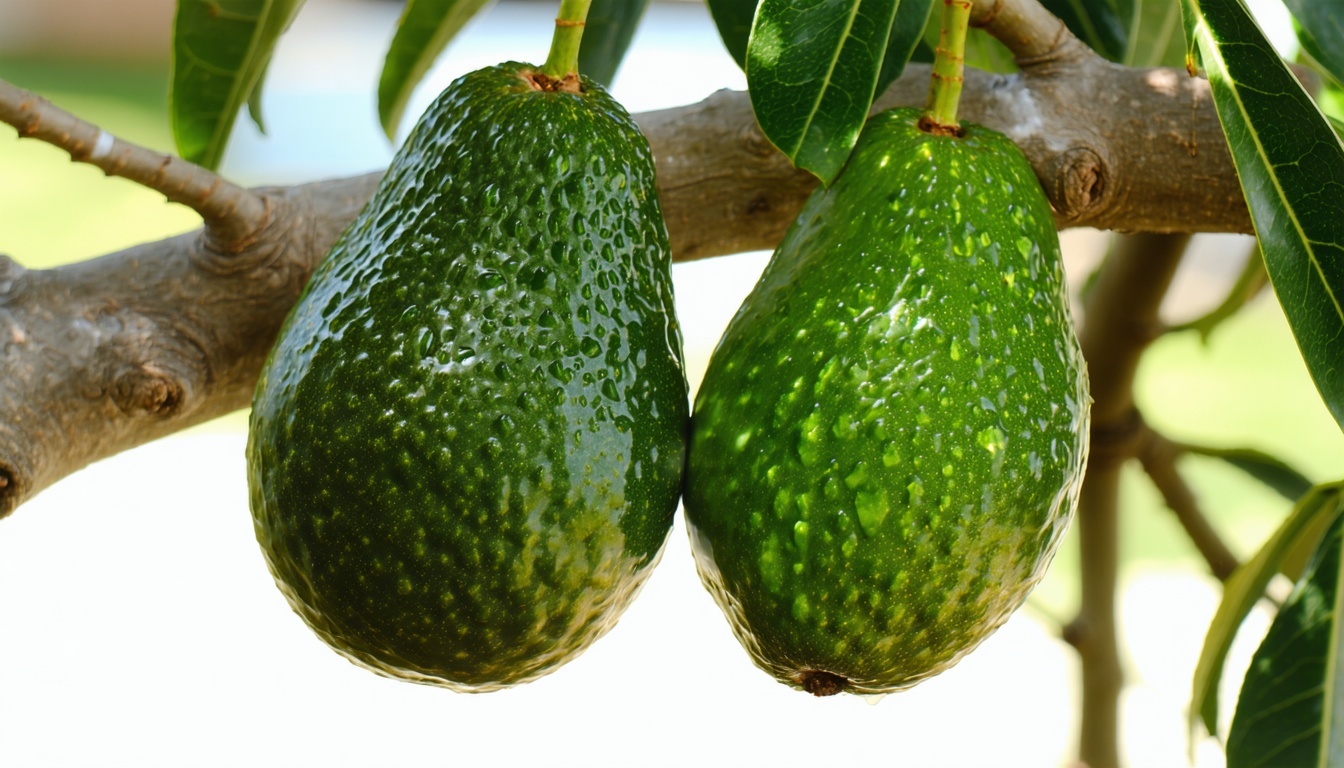
Hass avocado trees boast a distinctive appearance and an impressive origin story beginning with Rudolph Hass in La Habra Heights, California. This cultivar combines the best characteristics of Mexican and Guatemalan avocado varieties, offering delicious fruit and aesthetic appeal.

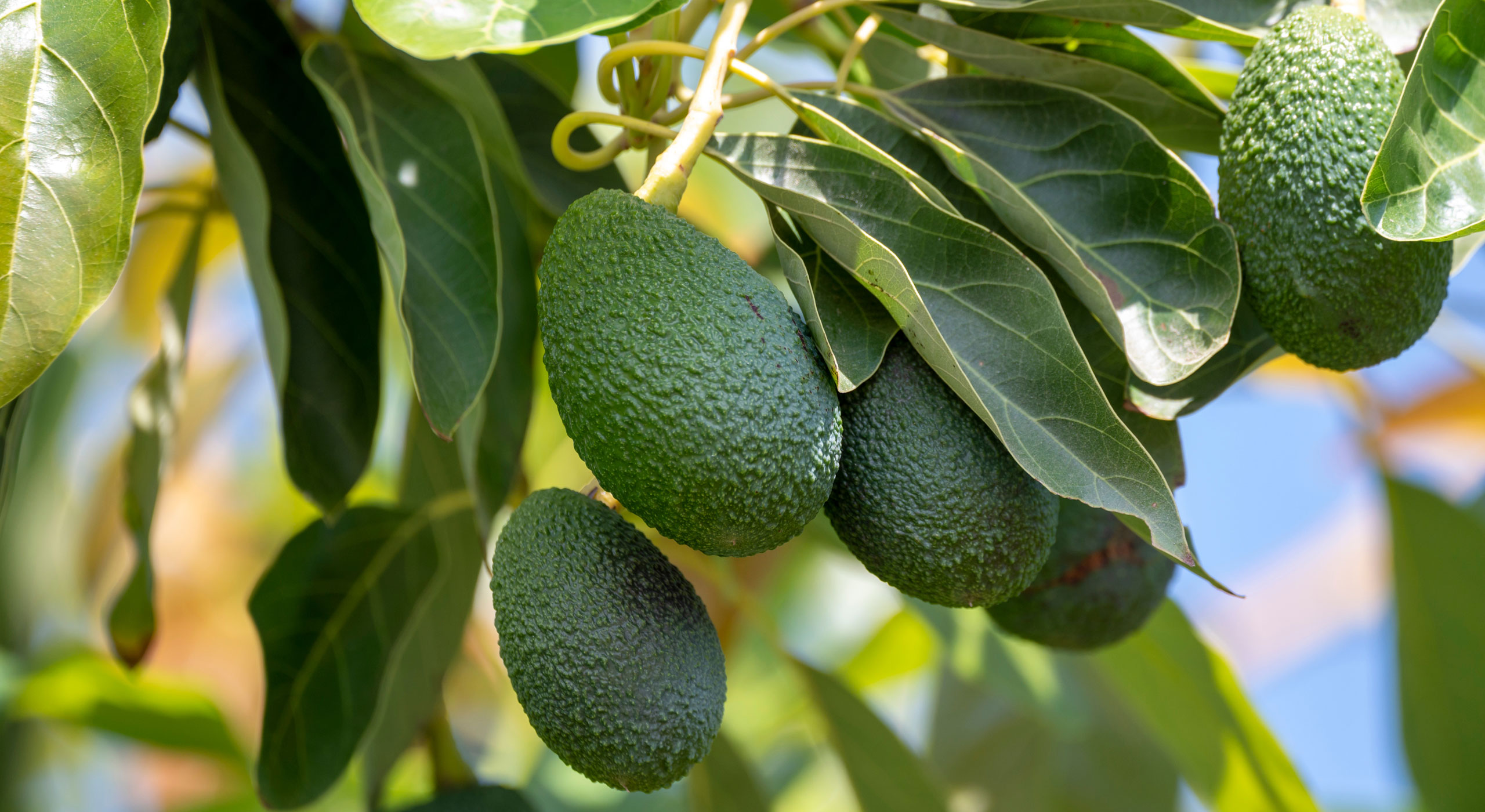
These trees produce edible fruits with bumpy dark skins and pale green flesh, while their self-fertile nature simplifies fruiting. Hass avocado trees are most commonly grown in mild climates, requiring ample soil moisture and full sun to thrive consistently. By learning their basic requirements, successful cultivation is achievable.

Ideal Climate and Soil Conditions

Hass avocado trees flourish in mild climates where daytime temperatures range between 60°F and 85°F and humidity levels are moderate. USDA zones 9-11 provide ideal conditions, but the tree cannot withstand freezing temperatures. In colder zones, consider growing Hass avocado trees in containers to overwinter them indoors.

Full sun exposure is essential for their growth, with a preference for at least six hours daily. Trees planted in shaded areas might struggle with limited foliage and reduced fruit yield. If additional protection is needed during colder nights, a frost blanket or planting near a sheltered south-facing building can help.

For soil conditions, Hass avocado trees thrive in well-drained acidic soils with a texture ranging from sandy to loamy. Avoid heavy clay or soggy areas, as these can lead to root rot. Good drainage ensures the tree remains healthy and productive.

Sunlight and Water Requirements

A Hass avocado tree requires six to eight hours of full sun each day, which encourages strong foliage and healthy fruit development. While indirect sunlight can be tolerated, overly shaded areas diminish the canopy's growth and fruit production. Choose sunny spots for planting to help the tree thrive.

Proper watering is equally important. Soil moisture control involves maintaining consistent hydration without oversaturation. Water weekly for mature trees, allowing the top inch of soil to dry in between sessions. The tree benefits from thorough watering during fruit development to support its nutrient needs.

Drainage is vital, as soggy soils cause problems like root rot and fungal diseases. Ensure water flows freely from the base of the tree and adjust irrigation frequency during rainy seasons to prevent oversaturation. Well-maintained sunlight exposure and moisture levels will keep your tree flourishing throughout the year.

Preparing for Planting

Planting a Hass avocado tree begins with selecting a location that receives plenty of sunlight and has excellent drainage. Ensure the soil is loose, sandy, or loamy, with an acidic pH level ranging from 6.0 to 6.8 for optimal growth.

Timing is an important factor too. Plan to plant in spring or early fall when temperatures are moderate, avoiding frost or extreme heat. Proper site preparation ensures that your Hass avocado tree is established firmly and thrives for years to come.

Tools and Materials Needed

Planting a Hass avocado tree requires gathering essential tools and materials for a successful start. You’ll need a sturdy shovel or spade to dig the planting hole and garden gloves for protecting your hands during the process.

Other important materials include loose, well-draining soil to fill in the hole and a balanced organic compost for added nutrition. The tree’s root ball should be enclosed in burlap or plastic mesh (when sourced from nurseries), which helps maintain its shape during planting.

For watering, prepare a hose or watering can for initial hydration. Mulch, such as straw or wood chips, can be layered around the base of the tree to manage soil moisture and weed growth post-planting. With these tools and materials on hand, your avocado tree will have everything needed for a strong start.

Step-by-Step Site Preparation

Proper site preparation is key to your Hass avocado tree’s success. Follow these steps to prepare the planting area:

Step

Action

1

Choose a sunny spot with good drainage.

2

Test the soil’s pH; aim for levels between 6.0-6.8.

3

Amend the soil with organic compost for added nutrition.

Clear the area of weeds, rocks, and debris to prevent disturbances to the tree’s growth. Create a raised planting site if needed to improve drainage.

After preparing the soil, dig a spacious hole (two to three times the root ball’s width). Make the base even, and ensure the soil is loose to support the roots and moisture absorption once the tree is planted. This foundation ensures optimal growth.

Planting Your Hass Avocado Tree

Planting your Hass avocado tree requires careful steps to promote healthy root establishment. Begin by delicately removing the root ball from its container and loosening the roots if they’re circling the edge. This encourages outward growth.

When ready to plant, position the tree centered within the prepared hole, ensuring the top of the root ball aligns evenly with the surrounding soil. Water the tree deeply immediately after backfilling to provide hydration and stability in its new location.

Step 1: Digging the Right Hole

Digging the right hole is crucial for your Hass avocado tree to anchor properly and grow healthily. Start by creating a hole that’s two to three times wider than the root ball and matching the depth of the root ball’s top. This ensures enough space for the roots to spread and prevents issues like overcrowding.

Check the surrounding soil for drainage. If necessary, raise the planting spot slightly to avoid water pooling and prevent root rot. Hass avocados prefer loose, well-draining soils.

Level the hole’s base before placement to keep the root ball stable. Avoid sloping or uneven surfaces that might destabilize the tree over time. By digging an appropriate hole, your Hass avocado tree will have a strong foundation to grow and flourish.

Step 2: Positioning the Tree Correctly

Positioning your Hass avocado tree starts with centering the root ball within the pre-dug hole. Ensure the top of the root ball is aligned with the surrounding ground to prevent drainage issues or overexposure.

Make sure the location receives six hours of direct sunlight daily. Full sun fosters a lush canopy and successful fruit production. Adjust positioning to minimize any shading from nearby structures or taller plants.

Finally, stabilize the tree’s base before backfilling. Avoid disturbing the roots, and verify alignment so the tree stands upright. Proper placement is vital for optimizing exposure to sunlight and for long-term growth success.

Step 3: Backfilling and Watering

Backfilling involves placing soil around the tree without compacting it too firmly. Gradually fill in the hole while gently packing the soil to eliminate air pockets. Mix organic compost into the top layers for added nutrients and soil structure improvement.

Watering follows this step. Thoroughly hydrate the newly-planted tree, ensuring the soil absorbs moisture evenly without becoming oversaturated. Check the topsoil between watering sessions to maintain consistent moisture levels.

Finally, add a thin mulch layer around the base to retain soil moisture and control weeds. Keep it a few inches from the trunk to prevent rot issues. This combination of backfilling and proper hydration encourages your tree to adapt and grow effectively.

Ongoing Care and Maintenance

Maintaining a healthy Hass avocado tree requires commitment to consistent watering, fertilization, and pruning techniques. Water the soil deeply and regularly, ensuring proper drainage to ward off root rot. Fertilize seasonally with balanced nutrients to support foliage and fruit growth.

Additionally, light pruning helps ensure good airflow and allows sunlight to penetrate the canopy. Regular monitoring for pests and fungal diseases ensures your tree stays productive and thriving year after year.

Fertilization Schedule

Fertilization plays a key role in nurturing your Hass avocado tree. Use a balanced fertilizer with nitrogen, phosphorus, and potassium in equal measure, specifically formulated for avocado or citrus trees. Apply this during spring, summer, and fall to sustain the tree through development and fruiting.

Consider foliar applications of zinc in spring, boosting foliage health. Organic compost or manure provides an excellent alternative with slow-release nutrients that enrich the soil over time.

For best results, adjust quantities based on tree age. Younger trees need lighter feeds, while mature ones require more for consistent fruit growth. Following a regular fertilization schedule ensures your tree remains healthy and productive.

Pruning Techniques

Pruning Hass avocado trees should strike a balance between maintaining its shape and fostering growth:

  • Remove Dead Wood: Prioritize clearing dead or damaged branches to enhance the tree’s health.
  • Shape the Canopy: Maintain a conical shape to promote airflow and sunlight penetration.
  • Limit Heavy Pruning: Avoid cutting off large portions of foliage, as stress can negatively impact fruit production.
  • Encourage Accessibility: Open up branch spaces for easy maintenance and harvesting.

The ideal time for pruning is late winter or early spring. This timing prevents stress and promotes recovery. Strong pruning habits ensure a vibrant, flourishing tree that bears fruit consistently.

Bringing It All Together

Caring for your Hass avocado tree requires a blend of knowledge, patience, and dedication. By understanding the ideal climate, soil conditions, and ongoing maintenance needs, you can ensure that your tree thrives and produces delicious avocados for years to come. Remember to follow the proper planting techniques and establish a consistent care routine that includes fertilization and pruning. 

With these practices in place, you’ll not only cultivate a healthy tree but also enjoy the rewarding experience of nurturing a plant that provides nutritious fruit.

If you have any questions or need assistance with your Hass avocado tree care journey, don’t hesitate to get in touch—we’re here to help!

Bacon or Hass Avocado Tree: Which One to Choose?

Bacon or Hass Avocado Tree: Which One to Choose?

Key Highlights Origin stories: Bacon and Hass avocado trees both have fascinating origins, rooted in California. Seasonality matters: Bacon avocados...

Read More
How to Care for Your New Avocado Tree Successfully

How to Care for Your New Avocado Tree Successfully

Key Highlights Avocado trees have a long history of cultivation in Central and South America. Popular varieties like 'Oro Negro' and 'Day' are...
Read More
Top Benefits of Growing a Bacon Avocado Tree in Your Garden

Top Benefits of Growing a Bacon Avocado Tree in Your Garden

Key Highlights Bacon avocado trees are ideal for home gardeners in cooler climates due to their cold-hardiness. The tree produces creamy,...

Read More