Planting Tropical Fruit Trees: A Step-by-Step Guide
Key Highlights Planting and caring for tropical fruit trees like avocado and cherry trees requires selecting varieties suited for your growing zone...
3 min read
Louie's Nursery : Dec 12, 2025 3:19:16 PM
Adding plum trees to your garden offers a rewarding way to enjoy homegrown fruit. These deciduous fruit trees, with their impressive adaptability, thrive in most regions of the United States. Known for their stone fruits of varying sizes and colors, plum trees blossom in early spring, providing a visual delight before yielding sun-ripened plums.
Whether you're a novice gardener or an experienced grower, cultivating plum trees adds charm and productivity to your green space. Let's explore some plum tree varieties that perfectly match diverse garden needs.
Plum trees are broadly grouped into three main types: European, Asian, and American varieties. The variety you choose depends largely on the intended use, climate conditions, and the size of your garden space.
European plum trees, such as prunus domestica varieties, excel in uses like drying and jam-making. On the other hand, Asian plum trees shine for their fresh eating qualities. Meanwhile, American plum trees are the most cold-hardy option, tolerating zones 3 and 4. Continue reading to discover detailed insights into each variety.
European plum trees, or prunus domestica, are widely known for their robust adaptability in hardiness zones 5-8. These plum tree varieties are typically oval-shaped, less juicy, and freestone, making them excellent for drying, canning, and jam production. Their versatility extends to various culinary uses, such as baking and chutney-making.
Among the top European plum varieties, Green Gage plums are cherished for their sweet flavor and unique green appearance. Mirabelle plums, small yet intensely flavorful, are prized in gourmet cooking due to their floral notes. Meanwhile, Damson plums stand out for their vibrant tart taste and reliability in jam-making.
European plum trees flourish with a solid pollination strategy, either self-pollinating varieties like Stanley or a compatible cross-pollinator. With their prolonged fruit production extending into late summer, these trees are a staple choice for gardeners seeking versatile stone fruit.
Asian plum trees provide a remarkable combination of vibrant colors, juicy fruits, and versatility for fresh consumption. Thriving between zones 5-9, they offer exceptional features compared to European plums, such as thinner skins and richer moisture content.
Asian plum trees enhance your garden’s aesthetic with their colorful fruits and fragrant white flowers during bloom season. For optimal growth, proper pollination using prolific pollen producers like Toka or Beauty plums ensures plentiful yields. Their juicy sweetness makes them excellent for fresh eating and homemade salsas.
Selecting the right varieties of plum trees can significantly enhance your garden’s beauty and yield. Whether you opt for the rich flavors of European plums or the vibrant colors of Asian plums, each type offers unique characteristics that can be tailored to your gardening preferences. Understanding their specific needs and growth patterns will help ensure a fruitful harvest for years to come.
If you have any questions or would like personalized assistance in choosing the best plum fruit tree varieties for your garden, feel free to get in touch!
European plum trees have firmer fruits used mainly for drying and jellies, while Asian plum trees produce juicier fruits favored for fresh eating. Both are deciduous trees that bloom white flowers, though Asian plums ripen earlier. Each has unique benefits for fruit production.
Plum trees thrive when grown in full sun with well-drained sandy loam soil and a 6.5 pH. They should be planted in USDA zones suitable for your zip code, avoiding frost-prone areas. Ensure proper airflow and a sunny environment for optimal growth and fruit development.
Yes, plum trees are relatively simple to grow with the correct practices. Proper planting techniques, routine pruning, timely spraying to manage pests, and sufficient fertiliser application ensure healthy shrubs for productive yields. They’re an excellent choice for beginner gardeners.
Plum fruits are highly versatile, offering benefits for fresh eating, drying, and canning. Their sweetness is perfect for creating tasty jellies and prunes. These nutrient-packed fruits enhance both functional and culinary use, making them a rewarding addition to your diet and kitchen.
Key Highlights Planting and caring for tropical fruit trees like avocado and cherry trees requires selecting varieties suited for your growing zone...
Key Highlights Proper spacing is essential for healthy root growth, canopy spread, and mature tree development in a backyard orchard. Factors like...
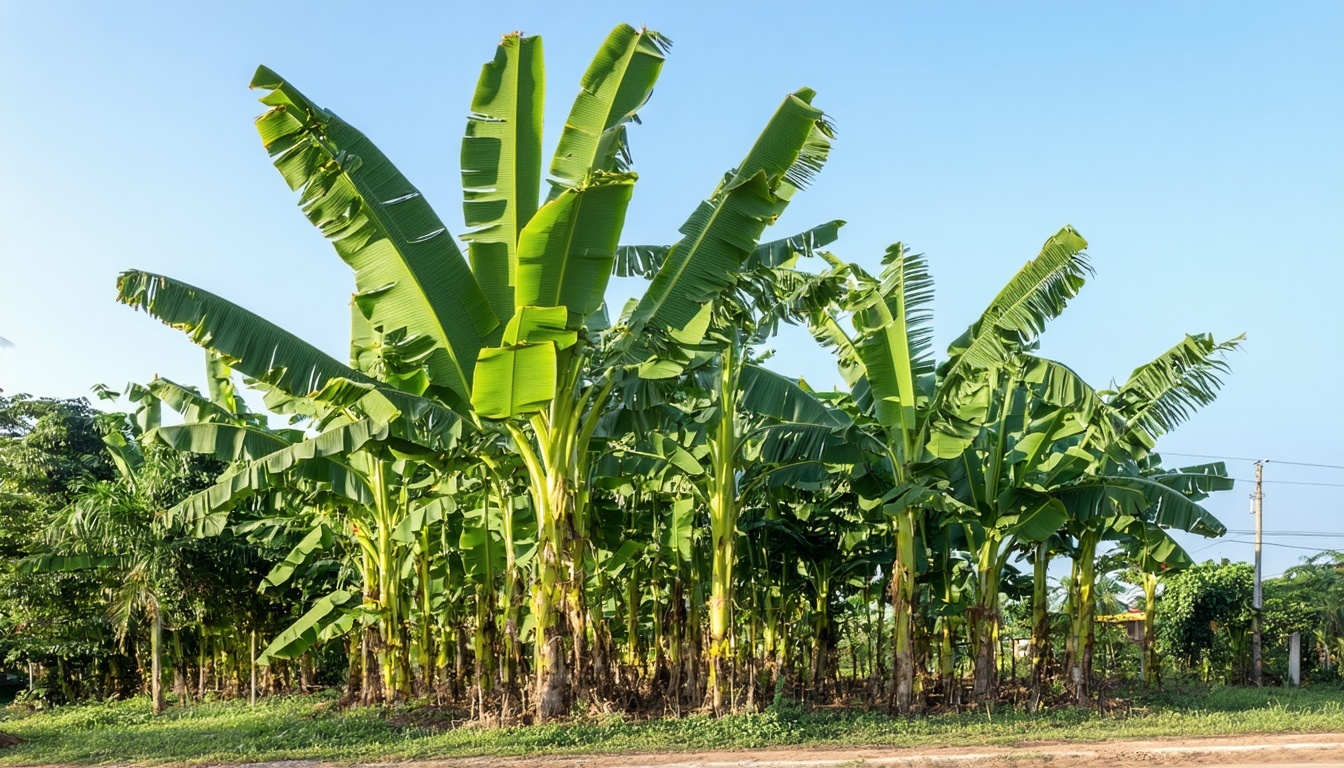
Key Highlights Banana trees belong to the Musa species and thrive in tropical climates, producing vibrant foliage alongside edible bananas. Adequate...