How Far Apart to Plant Fruit Trees for Optimal Growth
Key Highlights Proper spacing is essential for healthy root growth, canopy spread, and mature tree development in a backyard orchard. Factors like...
5 min read
Louie's Nursery : Dec 12, 2025 3:19:23 PM
Imagine vibrant tropical fruit trees like avocado trees and lime trees flourishing in your garden, creating a haven of sweet flavors and lush greenery. These trees thrive in warm climates and full sun and offer a rewarding experience for gardeners of all skill levels. Whether you dream of cultivating your own papayas or enjoying fresh cherries, this guide will provide all the essential steps to get you started on planting and nurturing tropical fruit trees successfully. Let’s uncover the secrets to building your tropical paradise.
Selecting the perfect tropical fruit trees for your garden is an exciting yet crucial step in creating a luscious oasis. Begin by considering your local climate, growing zone, and available garden space. These factors will determine which varieties will thrive and produce the sweetest fruit.
For beginners, it’s essential to opt for low-maintenance fruit trees, such as lime or fig trees, especially if your garden is located in frost-prone areas. Each tree offers unique tastes and textures that will enrich your gardening experience.
When choosing tropical fruit trees, your local conditions—including frost risk—must be carefully considered. In frost-prone areas like Chicago, opt for hardy varieties that can withstand occasional cold snaps while promising delicious fruit. Trees like cold-hardy avocados thrive in these climates.
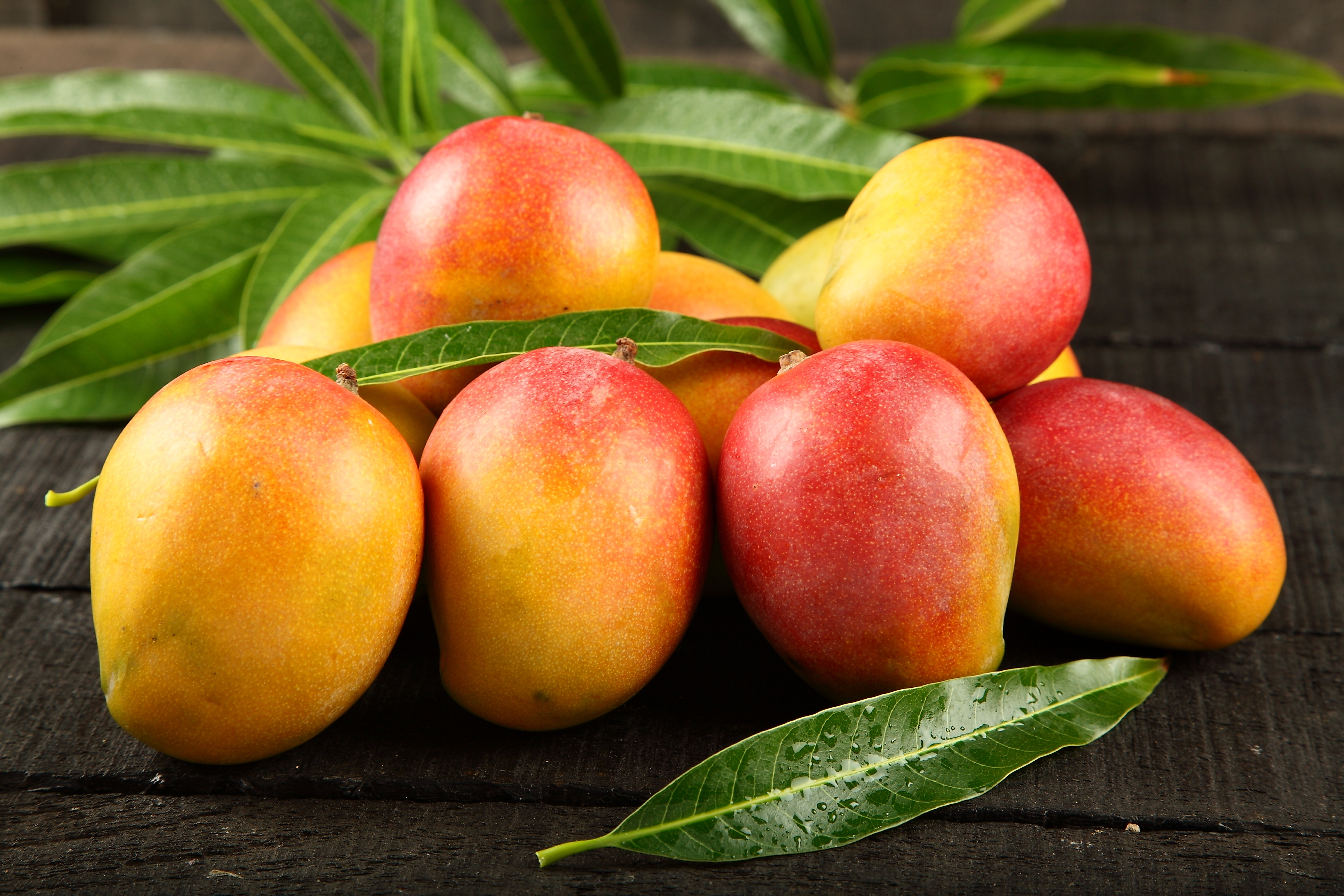
Florida’s tropical warmth is perfect for cultivating trees like mango or papaya that require consistent heat and full sun. These varieties produce sweet-tasting fruit when provided with optimal growing conditions.
Also, factor in the taste profile of the fruit. For a sweet flavor experience, consider limequat citrus or cherry trees with their mouthwatering fruit. Matching the right tree to your climate and taste preferences ensures a more fruitful planting experience in your backyard oasis.
Gardening can be an intimidating venture, but starting with beginner-friendly trees eases the process. Lime trees are a fantastic option as they thrive in diverse climates, even for novice gardeners. Adding a lime tree to your garden offers you fresh citrus year-round.
Another beginner-friendly variety is the fig tree, including the brown turkey fig tree, which is known for its delicious edible fruit and versatility. It requires minimal upkeep while producing an abundance of figs over time.
Lastly, the cherry tree is ideal for first-time growers due to its adaptability and manageable growth rate. With varieties like the Barbados cherry, you can cultivate sweet fruit with ease. These trees let beginners explore gardening without the heavy maintenance required by less forgiving varieties.
Preparing your garden properly is crucial to ensure that your tropical fruit trees thrive. Start by assessing the soil quality and making necessary amendments to support healthy plants and abundant fruit production. Adjust the planting area to match your selected tree’s sunlight and space requirements.
By optimising the garden layout and soil conditions, you can create a nurturing environment for trees like mango or papaya. The correct preparation marks the foundational step for successful planting and long-term tree vitality.
Healthy plants begin with good soil preparation. Tropical fruit trees require soil that supports root growth and retains adequate moisture. Mix compost or organic matter into the planting area to enrich nutrient levels and improve aeration.
The soil must also drain well to prevent waterlogging, which can hinder edible fruit production. For trees like figs or avocados, periodic testing ensures that the pH level remains conducive to growth.
Proper soil preparation sets the stage for robust tree development and consistent fruit yields. Investing time into building a nutrient-rich and well-drained soil environment should not be overlooked.
Tropical trees thrive in specific conditions, particularly warm temperatures and adequate sun exposure. Most require full sun to produce maximum fruit and healthy growth. While planting, ensure your garden layout leaves space for trees to grow freely.
For optimal results, match each variety to its requirements. For instance, mango trees need direct sunlight and wide spaces for their large canopies, while papaya trees grow better with unobstructed light.
|
Tree Type |
Sunlight Needs |
Growth Zone |
|
Mango |
Full sun |
Zones 9–11 |
|
Papaya |
Full sun |
Zones 9–11 |
|
Lime |
Partial/full sun |
Zones 8–11 |
Proper placement ensures that light reaches every corner of the tree, fostering healthy fruit yields and foliage.
Planting tropical fruit trees starts with choosing high-quality plants and preparing the ground to suit their specific needs. Properly positioning each tree and handling its roots carefully ensures vigorous growth.
Follow each step methodically, including spacing adjustments and watering techniques, to help trees like avocado and calamondin establish successfully. A well-planted tree will reward your efforts with fresh, edible fruit for years to come. Let’s dive into the specifics of proper planting techniques.
Planting starts with digging a suitably sized hole for your chosen tree, such as a cherry tree or calamondin orange tree. The hole should be twice as wide and slightly shallower than the root ball.
Place the root ball gently into the hole, ensuring that the top remains level with the surrounding soil. For an avocado tree, backfill with amended soil while firming it lightly for root stability.
Water thoroughly after planting to settle the soil and hydrate your new tropical fruit tree. This approach fosters the healthy establishment of roots and blooming foliage.
After planting, timely watering is essential for tree survival. Tropical varieties like the key lime tree, maintain consistent moisture, especially during their initial growth stage.
Brown turkey fig trees, as another example, need careful monitoring to avoid overwatering. Their roots enjoy hydration but suffer if left in soggy soil. Similarly, ficus plants need well-drained soil to thrive.
Proper initial care ensures your fruit trees deliver long-term yields and lush greenery.
Planting tropical fruit trees can be a rewarding journey that brings both beauty and delicious rewards to your garden. By carefully selecting the right species, preparing your garden appropriately, and following a precise planting process, you can set the stage for healthy growth and fruitful yields. Remember to consider factors like soil quality and sunlight needs to ensure your trees thrive in their new environment.
Ready to plant your own tropical fruit trees? Louie’s Nursery offers a variety of tropical trees like mango, papaya, and lime, perfect for your climate.
Our experts are here to help you choose the right trees, guide you through the planting process, and ensure your garden thrives year-round. Contact us today for advice, delivery, and planting services to get your tropical paradise started!
The papaya tree is often the fastest-growing tropical fruit tree, thriving in full sun and producing sweet fruit quickly in warm climates. Mango and cherry trees also grow efficiently when cared for properly, allowing for steady fruit production in suitable conditions.
Calamondin orange trees excel in heat tolerance, thriving in regions like Florida under full sun. Fig trees and avocado trees also adapt well to extreme temperatures, producing fruit even in warm environments. Consider these varieties for heat-resistant gardening success.
Tropical trees produce a wide variety of fruit, including mangoes, limes, cherries, figs, and delicious avocados. Each offers unique flavors and textures, enhancing your garden’s appeal. These fruits thrive in warm climates with adequate sunlight and proper care.
Key Highlights Proper spacing is essential for healthy root growth, canopy spread, and mature tree development in a backyard orchard. Factors like...
Key Highlights Plum trees are part of the easiest fruit trees to grow, offering high fruit production with proper planting and care. European plum...
Key Highlights Banana trees belong to the Musa species and thrive in tropical climates, producing vibrant foliage alongside edible bananas. Adequate...