Skip to the main content.

2 min read

How Far Apart to Plant Fruit Trees for Optimal Growth

How Far Apart to Plant Fruit Trees for Optimal Growth
5:04

Key Highlights

  • Proper spacing is essential for healthy root growth, canopy spread, and mature tree development in a backyard orchard.
  • Factors like soil type, water availability, and tree species significantly influence fruit tree spacing requirements.
  • Guidelines for spacing vary across dwarf, semi-dwarf, and standard fruit trees to ensure steady growth and optimal fruit yield.
  • Overcrowding can impact airflow, sunlight penetration, and future pruning ease, affecting fruit productivity.
  • Trees like citrus, cherries, and apples have unique spacing needs depending on their variety and rootstock.

Introduction

Establishing a backyard orchard is an exciting chance to enjoy a steady supply of fresh fruit while making the most of your space. However, understanding proper spacing is crucial to ensuring each fruit tree thrives. Whether you're planting apple trees, nectarine trees, or citrus trees, the right amount of space enables balanced root growth and canopy spread. With careful planning, your fruit trees will flourish and produce plenty of fruit for family use over the years.

Key Factors Influencing Fruit Tree Spacing

Spacing fruit trees correctly requires considering several vital factors. The species and type of tree play a fundamental role, as dwarf fruit trees differ in their space requirements compared to standard ones. Additionally, the vigor of the variety and the rootstock largely dictate how much distance your trees need.

Environmental elements like soil type and water availability also impact spacing decisions. These factors influence how well a tree can absorb nutrients and sustain its growth, ensuring proper health and fruit production.

Understanding Root Growth and Canopy Spread

Proper spacing starts with understanding the dynamics of root growth. Roots expand as a mature tree develops, searching for nutrients and water. Insufficient spacing can cause trees to compete underground, leading to poor nutrient absorption and stunted growth. Ensuring ample distance allows each tree's root system to thrive independently.

Above ground, the canopy spread is equally critical. The width of a mature tree's canopy determines how much light penetrates its leaves, essential for photosynthesis and fruit yields. Overcrowded trees tend to have shaded canopies, reducing their productivity.

Spacing is also essential for practical reasons, like pruning and mowing. Mature trees with overlapping canopies make maintaining your orchard harder. Ample space ensures you can reach all parts of the tree for routine care while maintaining good airflow around the trees.

Soil Type and Water Availability Considerations

Fruit trees flourish when their soil and moisture needs are accurately met. Soil type influences root growth; sandy soils may require closer spacing due to limited nutrient availability, while clay soils might support wider spacing. Understanding your site's soil makeup helps you plan an efficient layout.

Water availability significantly affects spacing decisions. Trees in areas with abundant water can grow larger, needing additional room. In contrast, regions with low water access require trees to be placed closer to optimize resource usage.

Key points for consideration:

  • Ensure soil is tested for nutrient levels before planting.
  • Plan irrigation systems that cover all trees evenly to avoid water stress.
  • Monitor soil drainage capabilities, as poorly drained soils may lead to root rot in tightly spaced trees.

Balancing soil and water conditions with spacing guidelines leads to healthier and more productive fruit trees.

Smart Spacing, Healthier Trees: Final Thoughts

The spacing of fruit trees is crucial for their optimal growth and overall health.

By understanding key factors such as root growth, canopy spread, soil type, and water availability, you can make informed decisions on how far apart to plant your trees. Proper spacing not only promotes better air circulation and sunlight exposure but also reduces competition for nutrients and water. 

Taking the time to plan your orchard layout will lead to a more fruitful and sustainable harvest.

Need help planning your backyard orchard? Louie’s Nursery offers expert advice on fruit tree selection, spacing, and care. Our team can guide you in choosing the right varieties for your space and climate to ensure healthy, productive trees. 

Contact us today for personalized recommendations and planting services to get your orchard off to the best start!

Frequently Asked Questions

What is the optimal spacing for different types of fruit trees?

The spacing varies based on the type of tree. Dwarf fruit trees like citrus or cherries typically need 8-15 feet between them. Semi-dwarf apple and cherry trees require around 12-20 feet. Standard fruit trees, such as peaches and plums, need the widest gap, approximately 18-30 feet, for proper growth.

Discover the Best Fruit Trees for Your Backyard

Discover the Best Fruit Trees for Your Backyard

Key Highlights Understand your hardiness zone to select fruit trees that thrive in your local climate. Learn how full sun exposure is critical for...
Read More
Discover the Best Plum Fruit Tree Varieties for Your Garden

Discover the Best Plum Fruit Tree Varieties for Your Garden

Key Highlights Plum trees are part of the easiest fruit trees to grow, offering high fruit production with proper planting and care. European plum...
Read More
The Perfect Guide to Cultivating a Banana Tree

The Perfect Guide to Cultivating a Banana Tree

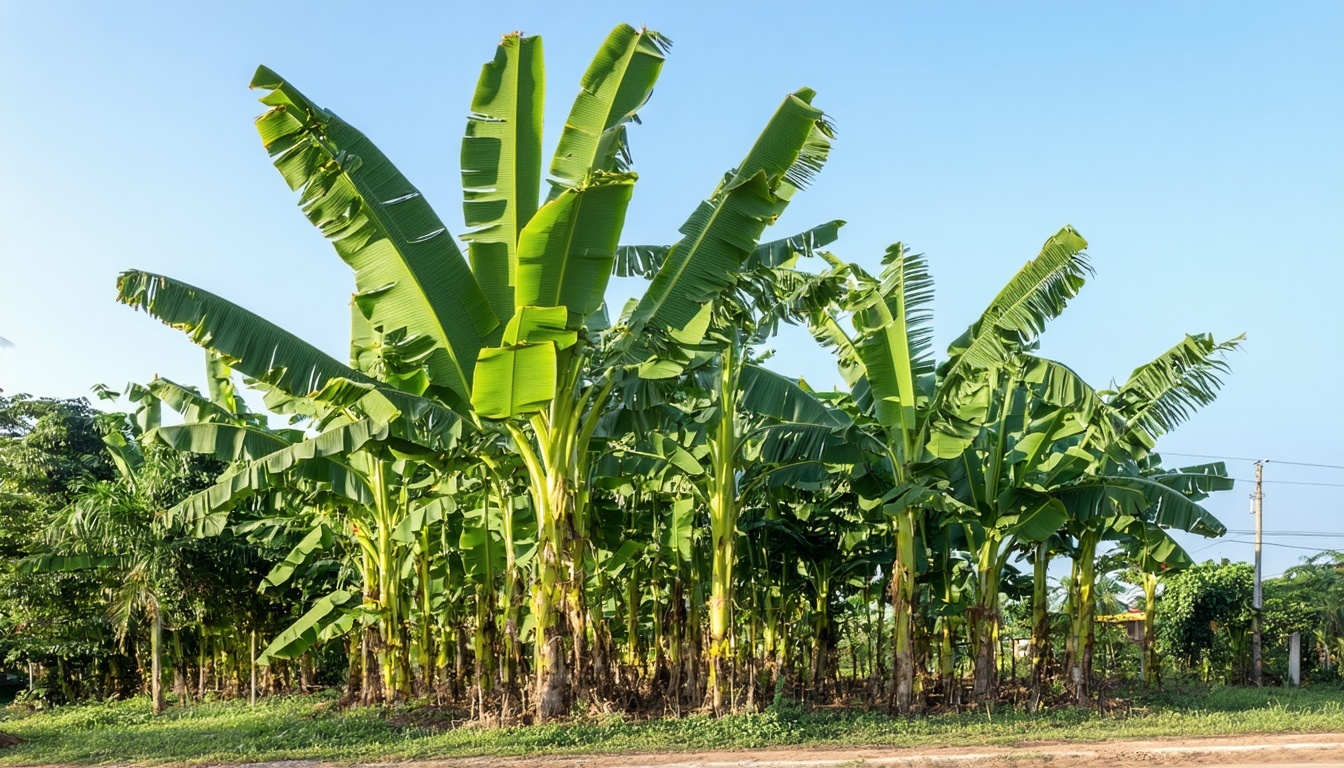
Key Highlights Banana trees belong to the Musa species and thrive in tropical climates, producing vibrant foliage alongside edible bananas. Adequate...

Read More