How Far Apart to Plant Fruit Trees for Optimal Growth
Key Highlights Proper spacing is essential for healthy root growth, canopy spread, and mature tree development in a backyard orchard. Factors like...
5 min read
Louie's Nursery : Dec 12, 2025 3:19:22 PM
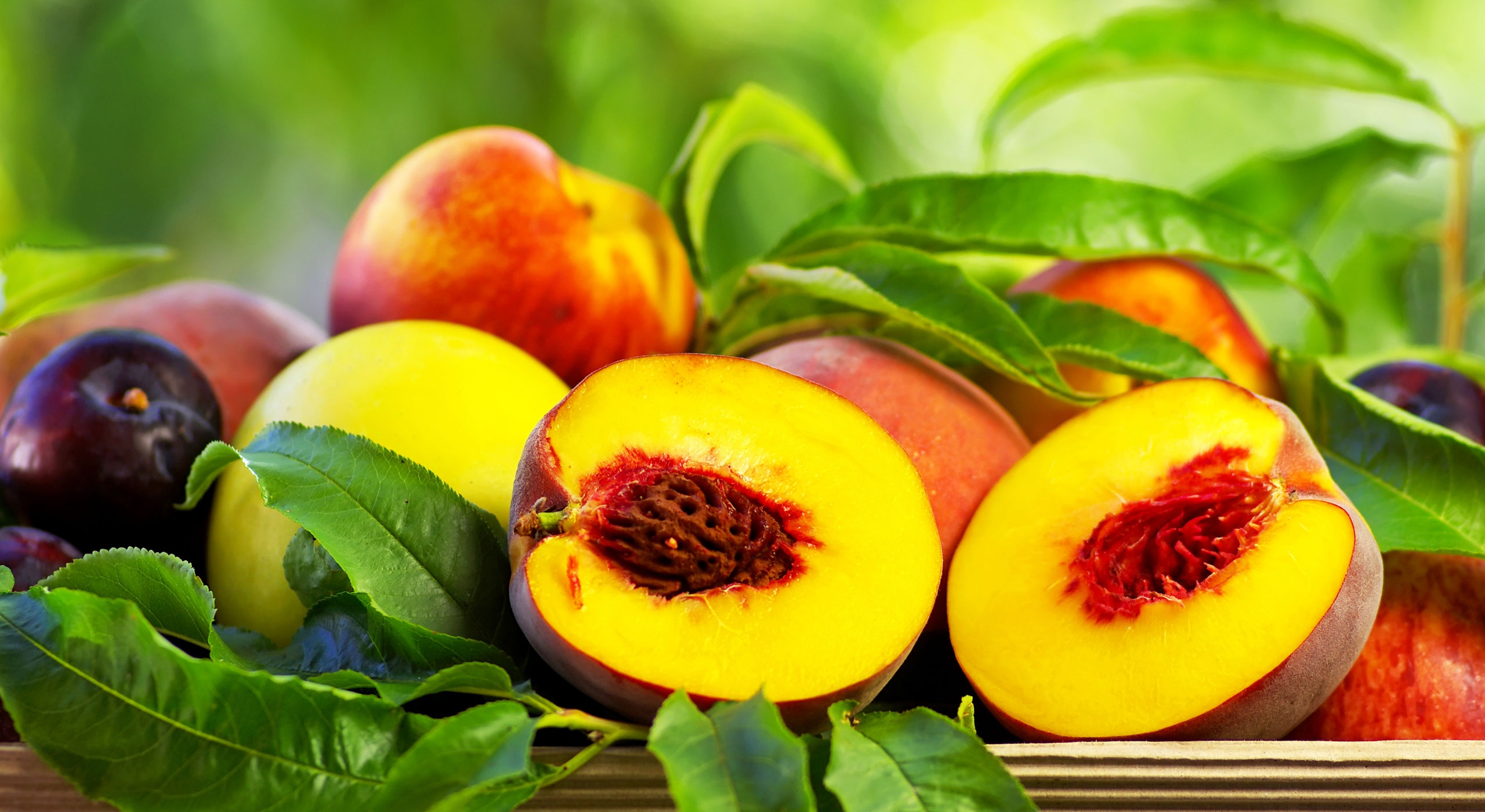
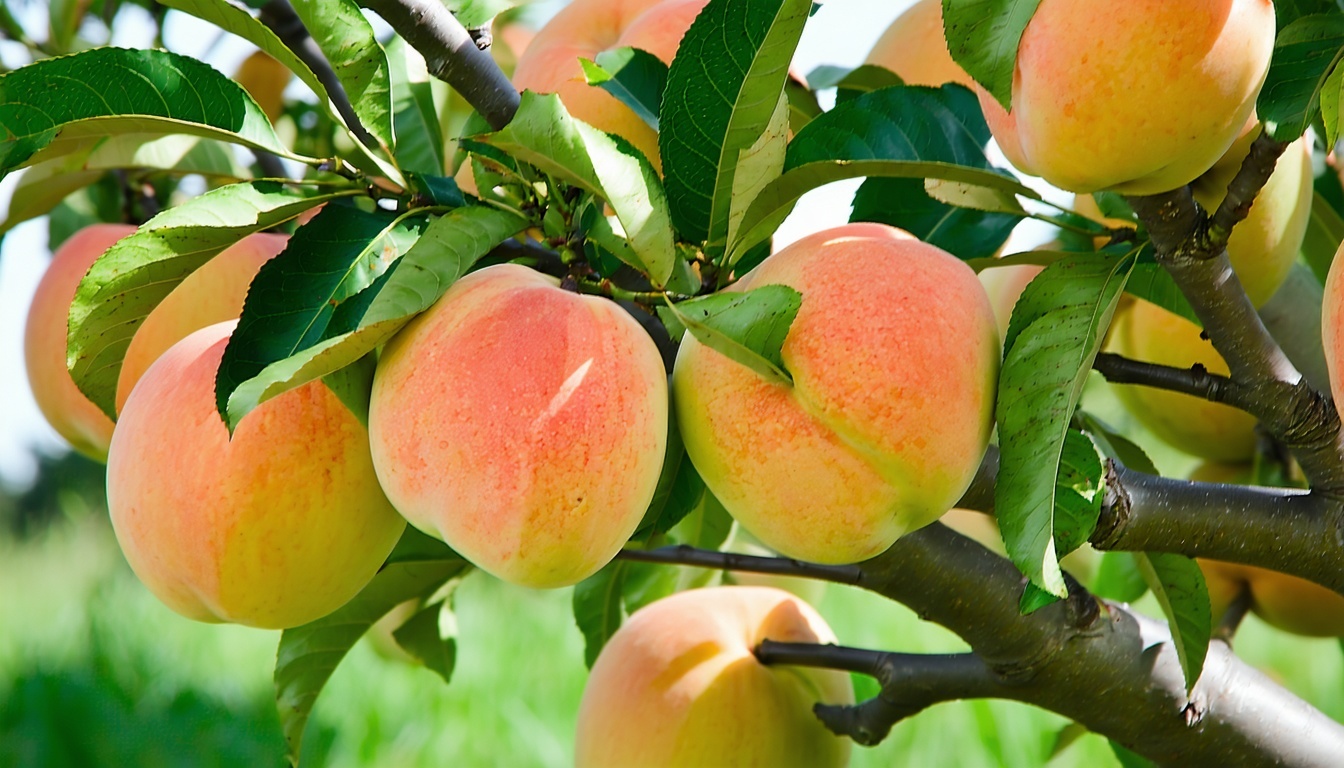
Are you ready to elevate your nectarine tree’s performance? Pruning, an essential aspect of fruit tree care, plays a pivotal role in ensuring a healthy harvest. Nectarine trees, prized for their flavorful fruits, require thoughtful attention throughout the dormant season.
The process might feel intimidating, but understanding the basics simplifies everything. Whether you’re shaping the tree, removing old wood, or stimulating growth, pruning is the pathway to enhanced fruit production. Let’s explore effective tips tailored to nurturing nectarine trees.
Nectarine trees are unique among fruit trees due to their delicious fruit and stunning blooms. Knowing your tree’s growth habits and requirements will make care easier. Proper pruning is essential to manage overcrowding and encourage fruit production. Trees left unpruned grow weak and may fail to thrive.
Additionally, nectarine trees share similarities with peach trees in terms of pruning and general care. This knowledge ensures your efforts focus on shaping, stimulating growth, and ensuring survival for a productive tree year after year.
Do you know what type of nectarine tree is growing in your yard? Your nectarine’s variety impacts its growth habits and care needs. Most modern nectarine trees are varieties of peach trees, as both belong to the same species, Prunus persica.
Trees purchased from a nursery usually arrive pre-pruned for shaping and health. These wide-budded trees grow better when scaffold limbs are established early. Knowing the variety can guide your pruning strategy depending on how much thinning or structural correction is needed.
For newer plants, observe foliage, branching angles, and growth rate. These factors help determine how much shaping is necessary. A thorough understanding of your nectarine tree ensures that you prune with precision, maximizing fruit yield and preparing the tree for future success.
Nectarine trees thrive in temperate regions with well-draining soil. The best climate to nurture these fruit-bearing beauties includes zones with mild winters where the dormant season rejuvenates the trees.
Soil preparation plays a significant role in fruit production. Nectarine trees require nutrient-rich soil that retains moisture while avoiding oversaturation. Sandy loam soils enriched with organic matter work best. Pairing good soil with adequate sunlight ensures vigorous growth and improves fruit quality.
Whether planting in your yard or orchard, balancing moisture retention and drainage is key. Testing your soil for composition and pH levels prevents nutrient deficiencies. Adhering to these conditions sets the stage for healthy nectarine trees with bountiful fruit harvests.
Having the right tools makes pruning a nectarine tree much easier. Before you start, gather essential items like precision pruning tools, sturdy safety gear, and cleaning supplies. Sharp tools create clean cuts on branches, reducing stress and promoting healing.
Proper maintenance of equipment is critical, too. Regular tool cleaning avoids pests and infections spreading during pruning. With the right tools and gear, you’re equipped to approach tree care confidently for the best outcomes.
Using the appropriate pruning tools ensures precise cuts that encourage healthy growth. Here’s what you’ll need:
For shaping, opt for sharp, clean tools to minimize damage. Tools designed for angled cuts are helpful, as they direct new growth outward. Maintaining scaffolding on larger trees often requires tools with a longer reach.
Equally important is tool hygiene. Always sterilize cutting surfaces to avoid pests or disease. Keeping your tools in good condition ensures your pruning process matches expert recommendations.
Safety and hygiene go hand-in-hand when pruning nectarines. Gear like gloves, safety goggles, and sturdy boots protect you from potential injury when handling sharp tools or climbing trees.
A clean workspace ensures no pests or diseases are transferred. Use disinfectants to sterilize tools before pruning. Wash gloves and protective gear after each session to prevent contamination. A supply of clean rags and rubbing alcohol simplifies maintenance.
Prioritizing safety and sanitation during pruning saves effort and ensures your nectarine trees remain healthy and productive.
Ready to prune your nectarine tree for success? Follow this step-by-step approach to assess your tree, remove old wood, and use optimal cutting techniques. These steps ensure stimulation, survival, and improved fruit production.
From evaluating the tree’s health to trimming away smaller shoots, each action impacts future growth. Let’s break down each step in detail below so you confidently shape your nectarine tree into a thriving centerpiece of your yard.
Begin by examining the tree’s health and structure, focusing on areas impacted by old wood and smaller shoots. Healthy branches possess wide angles, resembling 10 or 2 o’clock positions.
Identify weak, diseased, or damaged limbs for removal. Clearing these lets the tree redirect energy toward healthier branches. Keep scaffold limbs firmly established; these large branches support overall structure and fruit production.
Avoid removing viable wood indiscriminately. Strategic evaluation ensures the tree remains well-balanced and ready for optimal growth.
Mastering cutting techniques is key to shaping your nectarine tree effectively. Use sharp tools for precise cuts, ensuring no clumsy stubs are left. Cuts made ¼ inch above outward-facing buds encourage branching away from the center.
When pruning, aim to thin rather than overly head branches. This allows light and air to penetrate the center of the tree. Begin shaping branches so scaffold limbs grow evenly spaced.
By focusing on growth-friendly techniques, the tree’s structure matures into an open center suitable for maximum fruit production.
Effectively pruning your nectarine tree is not just about maintaining aesthetics; it's crucial for promoting healthy growth and enhancing fruit yield. By understanding the basics of your tree, using the right tools, and following a structured pruning approach, you can ensure that your tree thrives year after year.
Remember to assess your tree's health regularly and apply the proper cutting techniques to achieve optimal results. With the right care and attention, you'll enjoy bountiful harvests and a flourishing tree that adds beauty to your garden.
Louie’s Nursery offers a variety of fruit trees, including nectarine, cherry, and citrus trees, perfect for any garden. Visit us today to explore our selection of trees and start growing your own fresh fruit at home!
Prune nectarine trees during late winter, when they enter the dormant season. This is considered the best time as the tree’s structure becomes clear, and cutting old wood doesn’t interfere with growth. Late winter pruning enhances future fruit yield.
Prune nectarine trees yearly during the dormant season. Focus on removing growth from the previous season, thinning areas, and balancing structure. This regular pruning ensures vigorous health for the upcoming year and continued fruit production.
Over pruning can lead to limb breakage from heavy fruit loads and reduce overall fruit yield. By excessively cutting viable branches, growers risk leaving dead limbs and weakening the structure of the tree. Strategic cuts maintain balanced growth.
Pruning directly impacts fruit yield by stimulating buds. Properly spaced smaller shoots promote balanced growth inside the tree. Expert growers aim to enhance production by managing branch angles, ensuring the yield stays high without overcrowding fruits.
Key Highlights Proper spacing is essential for healthy root growth, canopy spread, and mature tree development in a backyard orchard. Factors like...
Key Highlights Understand your hardiness zone to select fruit trees that thrive in your local climate. Learn how full sun exposure is critical for...
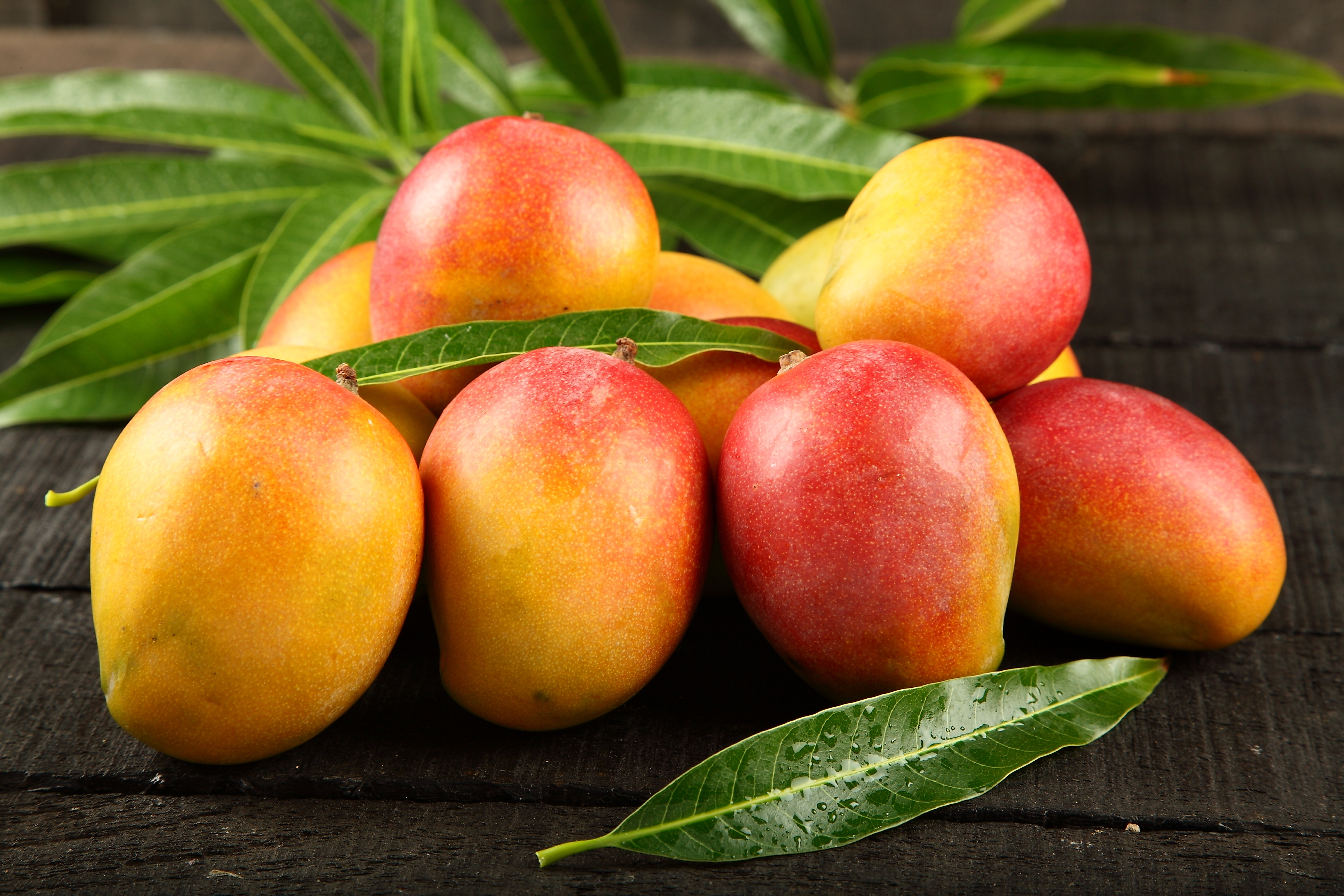
Key Highlights Mango trees (Mangifera indica) thrive in direct sunlight and require well-draining sandy soil with the right level of moisture to...