Skip to the main content.

4 min read

Discover the Best Fruit Trees for Your Backyard

Discover the Best Fruit Trees for Your Backyard
8:48

Key Highlights

  • Understand your hardiness zone to select fruit trees that thrive in your local climate.
  • Learn how full sun exposure is critical for growing healthy and productive fruit trees in any type of garden.
  • Discover top-rated tree varieties like dwarf fruit trees, perfect for maximizing available space.
  • Explore popular options like black tartarian cherry, peach trees, and citrus trees for varied climates.
  • Get planting tips for early spring and maintenance strategies to ensure your trees grow and flourish.
  • Learn about pollination needs to boost fruit yields and simplify tree care.

Introduction

Imagine your backyard filled with thriving peach trees and pear trees, yielding juicy fruit ready to enjoy. Growing fruit trees isn’t just rewarding; it transforms your outdoor space into a productive oasis. Whether planting in early spring or fall, choosing the right varieties for your climate is essential. This blog will guide you on selecting, planting, and maintaining the best fruit trees for your yard, ensuring luscious harvests that reflect your love for nature and gardening.

Choosing the Right Fruit Trees for Your Climate

Selecting fruit trees isn’t just about what you love to eat; it’s about matching your climate. Trees such as apple trees and citrus trees thrive differently based on environmental conditions. Knowing your local growing environment ensures success and healthier yields.

However, understanding climate doesn’t stop at temperature. Factors like sunlight, soil, and available space should influence your choice. With that in mind, matching trees to your conditions will not only simplify care but set up your garden for fruitful seasons year after year.

Identifying Your Growing Zone

Your USDA hardiness zone determines which fruit trees can flourish in your area. These zones are established based on average temperatures and frost dates, helping gardeners like you make informed planting decisions.

For instance, if you live in Zone 5, cold-hardy trees such as black tartarian cherry are an excellent choice. Warmer zones like 9 support citrus trees, thriving in the heat. Each tree responds differently to weather conditions, so planting outside your zone can lead to poor results.

To identify your zone, locate it using online tools, such as a ZIP code-based search. By starting with this knowledge, you’ll be armed with everything needed to grow the best fruit trees suited for your climate and backyard environment.

Understanding Sunlight Requirements

Sunlight plays a pivotal role in your fruit tree’s success. Most require full sun, translating to six or more hours of daily exposure. Without proper sunlight, growth slows, and harvest quality declines.

Different types of trees have varying needs. Apple trees thrive with abundant light, while certain dwarf varieties can tolerate partial shade. Determining this requirement ensures you organise your planting site appropriately.

Be mindful of tree placement when planning. Avoid overly shaded locations, as this negatively impacts photosynthesis. For your fruit trees to perform their best, position them where sunlight conditions align with their specifications.

Popular Fruit Tree Varieties for Home Gardens

Your garden can host a diversity of fruit trees, from sweet peach trees to tangy citrus trees. Selecting varieties specifically suited for home landscapes maximizes space while offering abundant yields.

Trees like pear trees and cherry trees are widely loved for their adaptability and beauty. Many home gardeners also opt for dwarf fruit trees, ideal for smaller backyards. Whichever you choose, ensure they suit your climate and personal preferences for the tastiest results.

Top Choices for Cold Climates

For those living in colder parts of the country, choosing cold-hardy fruit trees is crucial. Varieties such as Lapins Cherry and Honeycrisp Apple thrive in lower temperatures, handling frost with ease.

Better yet, dwarf fruit trees like the Black Tartarian Cherry, offer smaller options for minimal space and maximum output. These trees ensure impressive yields without the care challenges of standard varieties.

Investing in the right cold-hardy fruit trees doesn’t just guarantee success; it brings beauty and flavour into your garden. Make smart selections tailored to colder climates and enjoy reliable harvests year after year.

Best Options for Warm Regions

In warmer areas, you’re spoiled for choice with fruit trees that flourish. Citrus trees, from Meyer Lemon to Mandarin Orange, are sun-lovers well-suited for hot climates.

Other thriving options include:

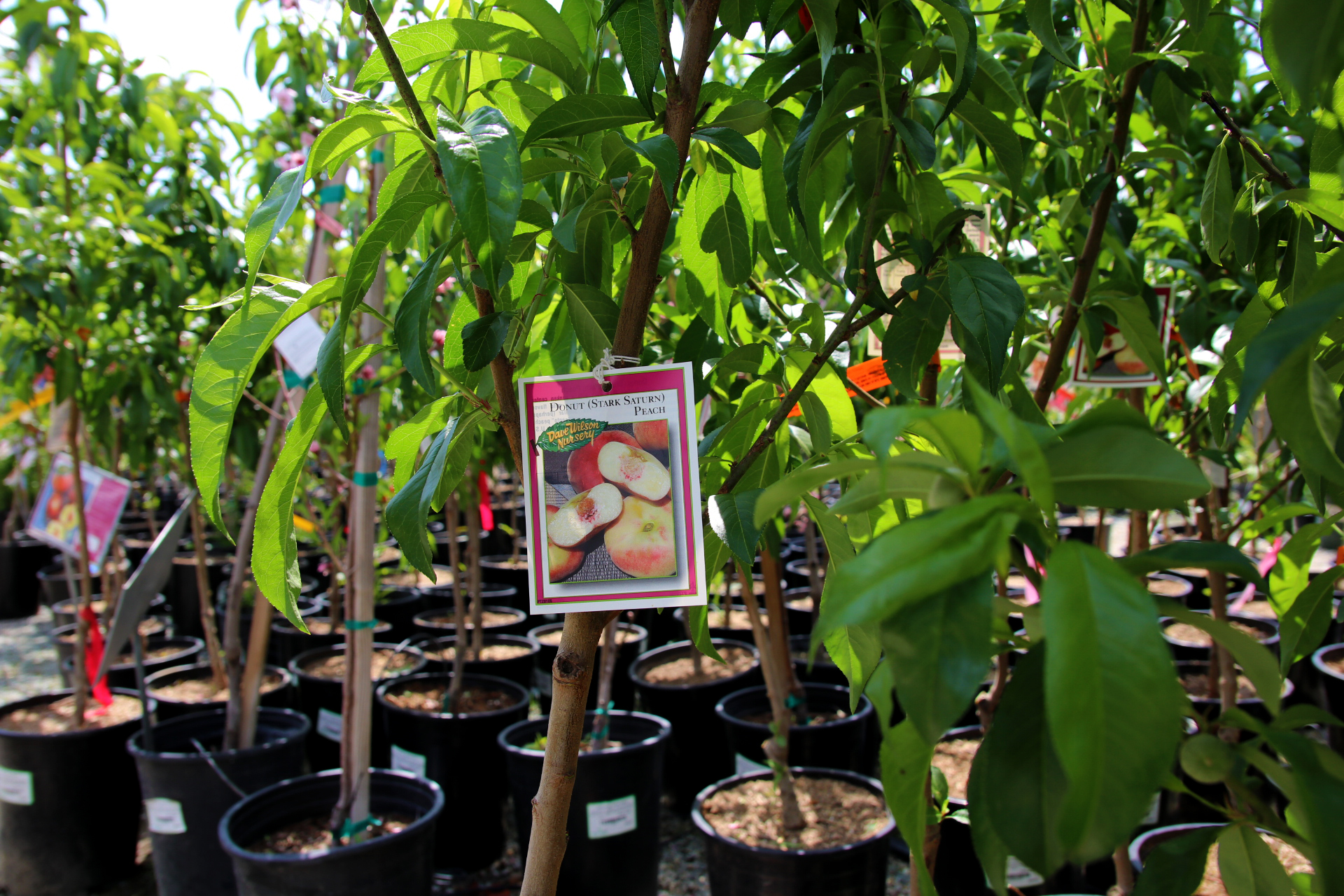
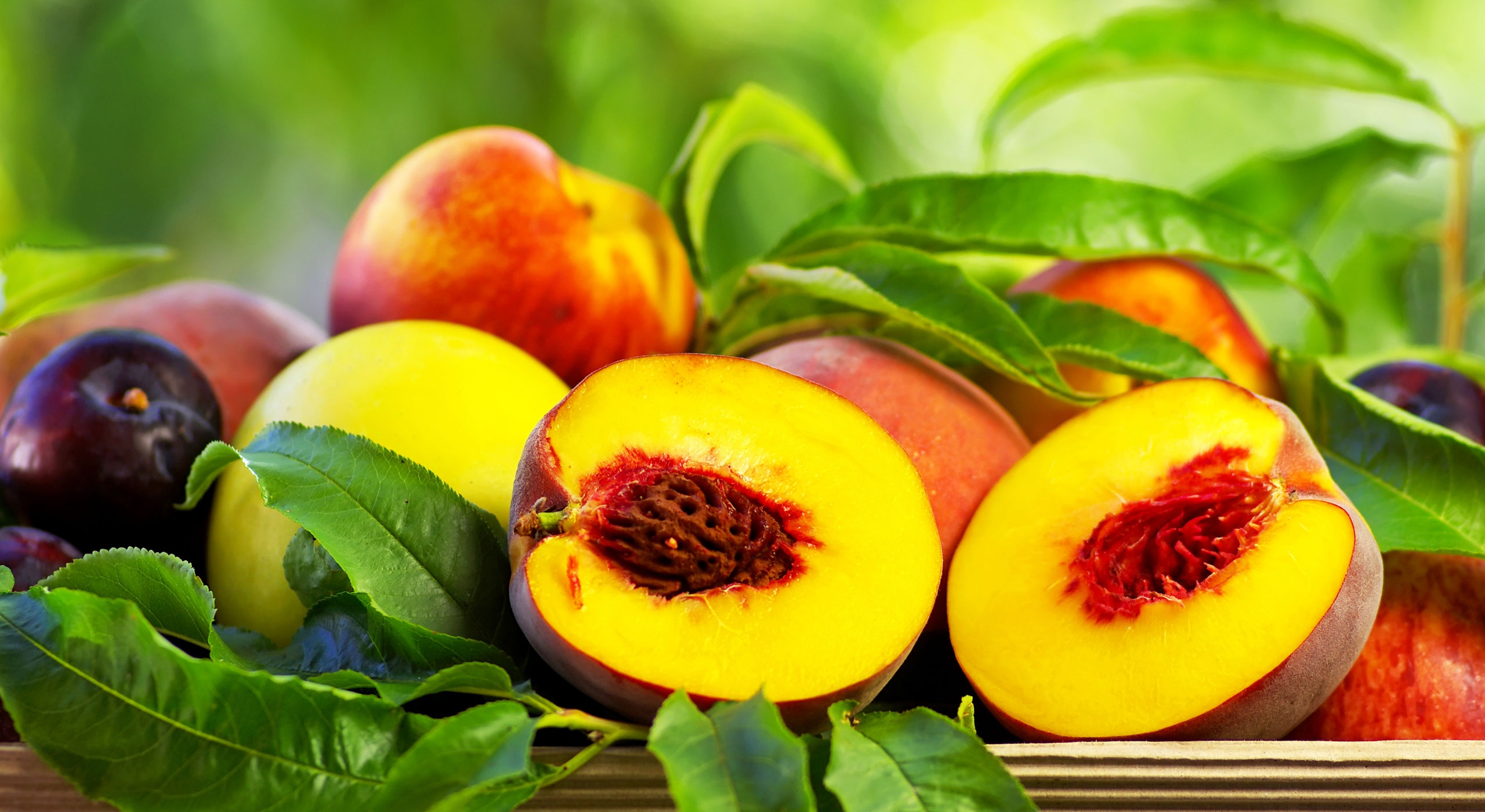
  • Peach trees, such as Reliance or Elberta varieties
  • Tropical choices like Banana trees for unique additions
  • Versatile trees like Apple trees bred for higher heat tolerance

Warm-region gardeners benefit from long growing seasons, providing optimal conditions for juicy, harvestable fruits. Select tailored varieties to make your backyard a tropical haven.

Planting and Care Tips for Fruit Trees

Proper planting and care lay the foundation for healthy, productive fruit trees in your garden. Start with choosing planting times like early spring for optimal root establishment.

Get familiar with maintenance practices like pruning, fertilizing, and understanding pollination requirements. Whether you’re growing dwarf fruit trees or standard varieties, your trees will reward good care with bountiful fruit and sustained growth season after season.

When and How to Plant Fruit Trees

Fruit trees planted in early spring enjoy their best chances of thriving. During this season, they focus on growing stable roots instead of foliage.

Dig a hole twice as wide as the container and twice as deep. Trees like pear trees or apple trees need root systems spread evenly for strong foundation growth. Ensure the bud union sits 1–2 inches above the soil.

For dwarf fruit trees, staking aids stability. Weekly watering is key during active growing periods to maximize results.

Ongoing Maintenance and Care

Fruit tree upkeep isn’t demanding but involves consistency. Pruning in early spring—before budding—ensures robust growth and air circulation. Use sharp tools to avoid damaging branches.

Trees such as peach trees and cherry trees often need fertilizing in initial spring months for nutrient replenishment. Use products like Gurney’s Fruit Tree Food, applying evenly to drip-line areas for best results.

For successful pollination, many varieties require companion trees. Some self-pollinate, but mixing increases harvest quality. Maintain soil moisture at 1–2 inches weekly during peak seasons for lush yields.

From Planning to Planting

In summary, selecting the right fruit trees for your backyard can significantly enhance your gardening experience and provide delicious rewards. By understanding your climate, carefully choosing the best varieties, and following proper planting and care techniques, you can cultivate a thriving garden that brings joy and nourishment to your home. Whether you opt for apple, peach, or citrus trees, their beauty and bounty will surely transform your outdoor space.

If you have questions or need assistance with your gardening journey, don't hesitate to get in touch with us for expert advice and tips.

Frequently Asked Questions

How to Plant Fruit Trees?

Plant apple trees, pear trees, or dwarf fruit trees in a sunny location with well-drained soil. Dig a wide hole, spread roots evenly, and leave the graft union above the soil. Staking helps stabilize young trees. Citrus trees need similar preparation to flourish.


When to Plant Fruit Trees?

Plant trees like pear trees in early spring for ideal root establishment. Check your hardiness zone to determine local frost risks. Full sun exposure is essential for growth, ensuring the trees yield fruit successfully over time. Select the best fruit trees for your zone.


What are the top-rated fruit trees on Fast Growing Trees?

Customer favorites include peach trees, black tartarian cherry, and dwarf fruit trees for their adaptability. Other highly-rated options like citrus trees ensure fruitful success. These selections are perfect for a range of climates and are among the best fruit trees available online.


What are the best fruit trees to plant in a home garden?

For home gardeners, pear trees, cherry trees, and apple trees are excellent choices. Tropical gardeners enjoy citrus trees, while smaller landscapes benefit from dwarf fruit trees. Select the best fruit trees to tailor your garden to your specific needs.

How Far Apart to Plant Fruit Trees for Optimal Growth

How Far Apart to Plant Fruit Trees for Optimal Growth

Key Highlights Proper spacing is essential for healthy root growth, canopy spread, and mature tree development in a backyard orchard. Factors like...
Read More
Planting Tropical Fruit Trees: A Step-by-Step Guide

Planting Tropical Fruit Trees: A Step-by-Step Guide

Key Highlights Planting and caring for tropical fruit trees like avocado and cherry trees requires selecting varieties suited for your growing zone...
Read More
Discover the Best Plum Fruit Tree Varieties for Your Garden

Discover the Best Plum Fruit Tree Varieties for Your Garden

Key Highlights Plum trees are part of the easiest fruit trees to grow, offering high fruit production with proper planting and care. European plum...

Read More