Bacon or Hass Avocado Tree: Which One to Choose?
Key Highlights Origin stories: Bacon and Hass avocado trees both have fascinating origins, rooted in California. Seasonality matters: Bacon avocados...
8 min read
Louie's Nursery : Dec 12, 2025 3:19:19 PM
For home gardeners seeking a rewarding addition to their fruit trees collection, the Bacon avocado tree stands as an excellent choice. Known for its creamy and mild-flavored avocados, this Type B variety is increasingly popular for its adaptability to cooler climates and consistent yields. Distinguished by its glossy foliage and upright growth habit, Bacon avocado trees bring both aesthetic value and practical benefits to gardens. Whether for fresh toast toppings, guacamole, or enhanced landscaping, this fruit tree deserves a spot in your green space.
Bacon avocado trees originate from California and are widely loved for their resilience and unique qualities. Unlike more common avocado varieties like Hass, Bacon trees offer moderate cold tolerance, thriving in USDA Hardiness Zones 8 to 11.
These fruit trees are not only productive but also visually appealing, featuring an upright growth habit and glossy dark green leaves. Whether enriching your garden or preparing delicious recipes, Bacon avocado trees balance beauty with functionality. Their ability to grow in native soil while requiring minimal maintenance makes them perfect for home gardeners.
Bacon avocado trees trace their roots to Buena Park, California, cultivated by James Bacon in the early 1950s. This hybrid variety drew influences from two Mexican avocado species, combining cold-hardiness with consistent fruit production. Though initially overshadowed by Hass avocados, Bacon avocados found renewed popularity among growers in cooler climates like San Diego and Santa Monica.
Native avocados were first cultivated in Tehuacan, Mexico, about 10,000 years ago, establishing themselves as versatile fruits. James Bacon introduced the hybrid in California to cater to gardeners seeking cold-resistant fruit trees.
Growers in other regions, including New Zealand, have embraced the Bacon avocado tree for its suitability in varied weather conditions. With glossy foliage, upright pyramidal growth, and thin-skinned fruit, this tree offers home gardeners the joy of delicious and productive fruit trees that withstand frost and cooler climates.
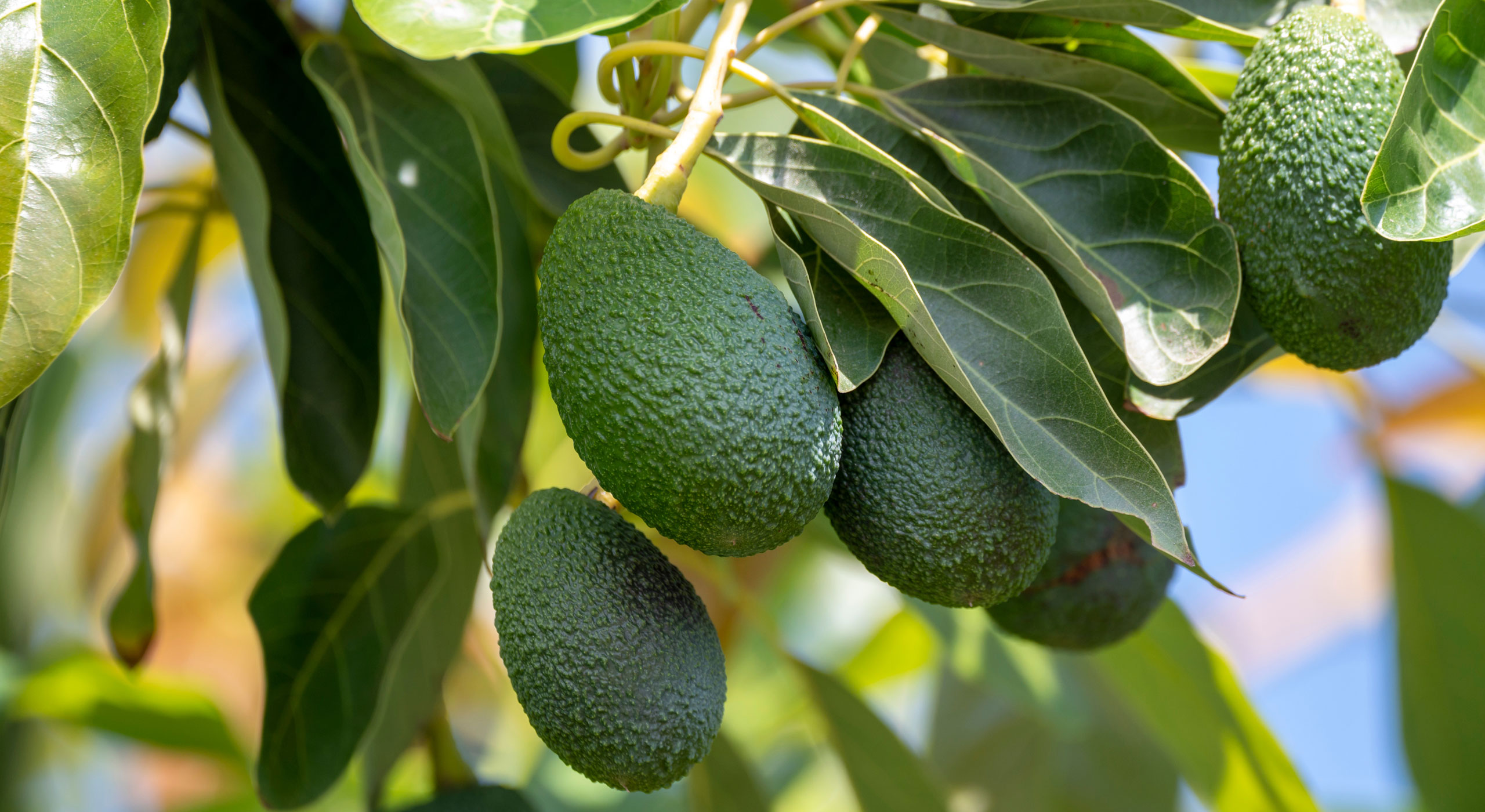
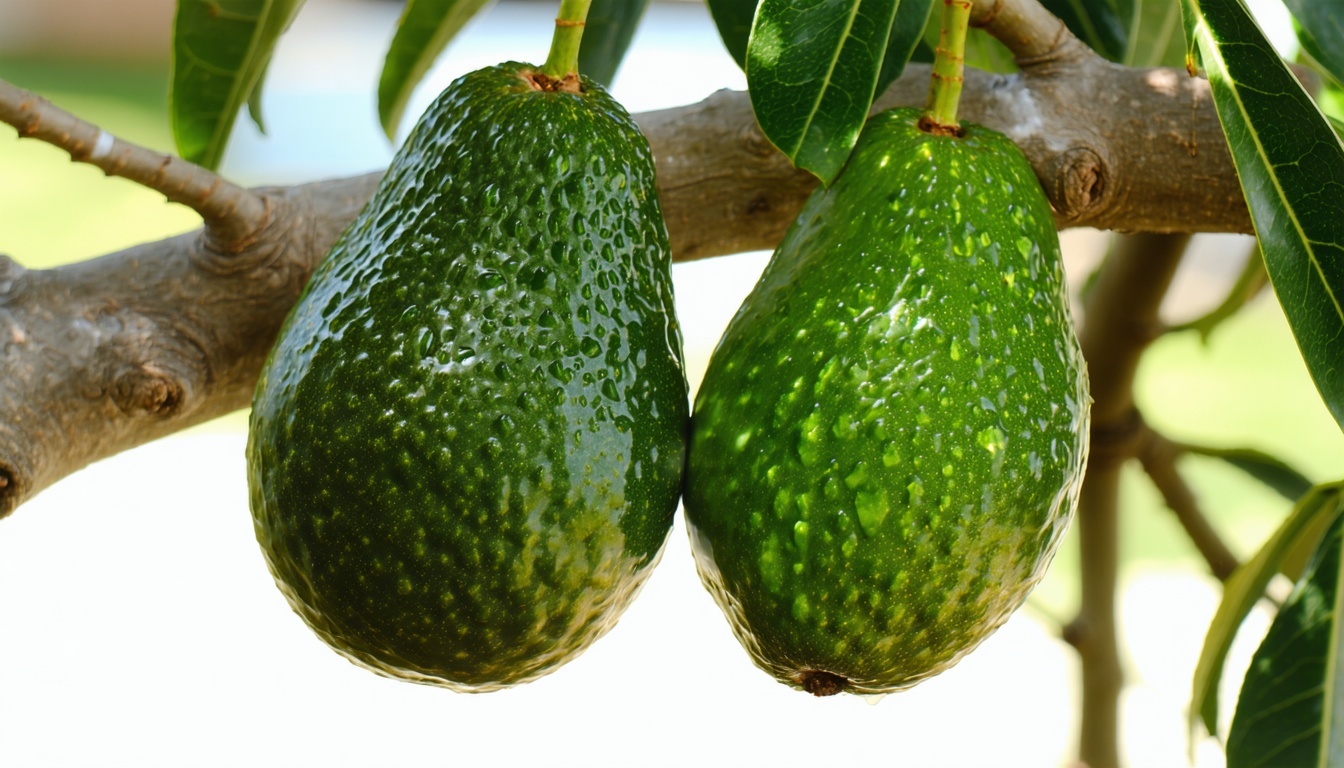
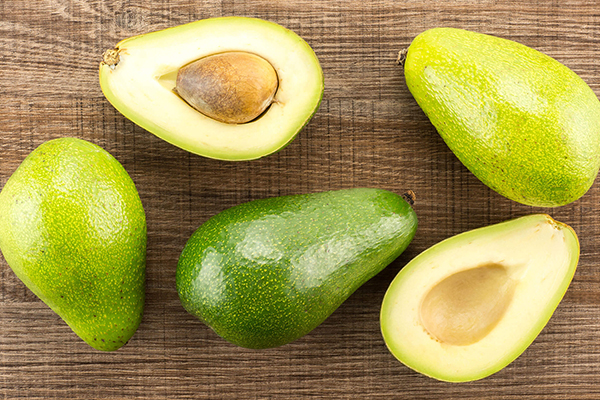
The Bacon avocado tree is distinguished by its upright growth habit, an appealing oval shape, and mild-flavored fruit. Unlike thick-skinned avocados, its thin, green skin has faint speckles and doesn’t darken as it ripens. Inside, creamy, buttery flesh offers a lighter flavor compared to rich varieties like Hass.
Its oval-shaped fruit ranges from six to twelve ounces, making it manageable for culinary use. The tree itself grows up to 20 feet, offering both a productive yield and impressive structure to gardens.
This variety is a Type B avocado, meaning its flowers open as female one day and male the next. As a result, cross-pollination with Type A avocados like Hass enhances fruit production. Ideal for salads, sandwiches, and spreads, Bacon’s milder taste satisfies diverse preferences. Combined with its decorative appearance, it’s a standout choice among fruit trees.
For gardeners aiming to enjoy hand-grown produce, Bacon avocado trees offer a fruitful and beneficial investment. Their mild and buttery avocados are highly versatile in recipes, while the tree itself adds lush visual appeal to home gardens.
Environmentally, the tree contributes to soil stability with its deep root growth and resistance to root rot caused by overwatering. Its cold tolerance makes it suitable for cooler climates, and as a Type B avocado, it plays a vital role in pollination partnerships with Type A varieties such as Hass.
Bacon avocados are packed with essential nutrients, making them a healthy addition to a balanced diet. Known for their high levels of healthy monounsaturated fats, they promote heart health while keeping you satiated. A single fruit offers fiber, potassium, and vitamins C, E, and K, supporting digestion and immune health.
The smooth texture adds versatility in meal preparation, whether sliced on toast or blended into smoothies. To enhance their flavor, enjoy Bacon avocados fresh with a sprinkle of salt or lime juice for an invigorating twist.
Unlike richer varieties, their mild flavor appeals to those preferring subtle tastes. Whether incorporated into guacamole or used as a garnish for salads, their creamy texture works spectacularly in diverse dishes. By planting Bacon avocado trees, you not only cultivate nutritious produce but also embrace better cooking possibilities.
Bacon avocado trees offer valuable ecological benefits, serving as more than just fruit producers. Their deep root growth prevents soil erosion, enhancing the garden’s overall stability. With robust tolerance for varied weather conditions, they thrive best in full sun locations with cooler climates.
Resistance to root rot is another advantage, as proper watering practices reduce potential diseases stemming from moisture imbalances. This makes Bacon trees suitable for regions prone to seasonal variances. Healthy trees also promote biodiversity by attracting pollinators and beneficial insects.
Additionally, planting Bacon avocado trees contributes positively to the landscape, improving overall air quality and fostering green spaces that support both productivity and environmental well-being. Their decorative foliage and medium-sized canopy are equally advantageous for soil protection and garden refreshment.
The Bacon avocado tree is a stunning addition to any garden, acting as both a functional fruit tree and an aesthetic asset. Its upright growth habit and glossy dark green leaves provide a lush, pyramidal shape that complements the landscape beautifully.
Beyond its visual appeal, the tree functions as a shade provider, cooling outdoor spaces during sunny days. It fits seamlessly into garden settings, whether planted individually or grouped with other fruit trees for symmetry and charm.
Its decorative presence, coupled with flavorful fruits, makes Bacon avocado trees an excellent choice for creating backyard havens. From enhancing garden aesthetics to contributing practical benefits, their versatility as mild-weather landscape solutions ensures an appealing environment for both gardeners and passersby.
To cultivate Bacon avocado trees successfully, focus on optimal planting and maintenance practices. Begin by selecting healthy native soil with good drainage, paired with a thick layer of mulch to prevent root stress. Early spring is the best time for planting young trees to encourage steady development.
These Type B avocados thrive in full sun and cooler climates, making hours of direct sunlight essential to unlock their growth potential. Invest time in proper spacing and watering techniques to maximize fruit yields for your garden.
Planting Bacon avocado trees starts with improving native soil using organic fertilizers. Dig a hole as wide as twice the root ball to encourage deep root growth, ensuring the graft union is above soil level.
Choose early spring for planting, as it provides optimal weather conditions for healthier establishment. Once planted, backfill the space with fertile soil, creating a basin around the drip zone for water collection. Incorporating a thick layer of mulch will keep the roots insulated, especially valuable in frost-sensitive areas like Zone 8.
Spacing between trees is crucial for sunlight exposure and airflow, so place them at least 15 to 20 feet apart. Proper orientation, paired with weekly watering, ensures lush foliage and productive fruit yields without compromising the roots. These practices set your Bacon avocado tree on the path to success.
Bacon avocado trees flourish under hours of direct sunlight and are particularly suited to cooler climates. Select planting sites with maximum exposure to light, ideally southern-facing areas for balanced energy distribution.
Weather conditions like frost can be mitigated using a protective mulch layer around the base. Trees grown in Zone 8, for instance, benefit from extra care for their shallow root zones during winter. Maintaining consistent moisture ensures resistance to drought without overwatering risks.
To prevent shading, prune surrounding vegetation and monitor seasonal changes to regulate sunlight availability. Bacon avocado trees also adjust well in slightly sandy soils as long as good drainage and organic fertilizers are applied. Together, these considerations create the perfect environment for their steady growth and abundant yields.
Proper watering is key for Bacon avocado tree health. Ensure the soil offers good drainage to avoid issues like root rot. Newly planted trees typically need deep watering twice weekly, saturating the soil down to 12 inches to encourage strong root anchorage.
Over time, reduce the frequency, allowing trees to adapt to drought conditions. Weather fluctuations should also guide watering schedules, with increased duration during hotter climates or drought seasons. Apply organic fertilizer to boost nutrient availability for the soil.
Pair regular watering with soil monitoring tools for moisture accuracy. Layering mulch near the base helps conserve hydration and protects against evaporation. These techniques support robust growth from young trees into maturity, yielding flavorful fruit while preserving tree health.
Keeping Bacon avocado trees healthy involves routine maintenance to optimize growth and yields. Pruning techniques during late winter remove dead or overcrowded branches, helping the canopy maintain airflow and sunlight exposure.
Managing pests like mites or aphids is equally important, using natural remedies such as neem oil and water sprays. Regular care, including protection from fungal diseases, promotes vibrant foliage and fruitful results. With minimal yet consistent effort, gardeners can ensure rewarding growth for years.
Pruning Bacon avocado trees enhances productivity and maintains their aesthetic appeal. Late winter pruning is ideal to shape the canopy while removing dead or crossing branches, ensuring healthier air circulation.
Waterspouts—vigorous upright shoots—should be eliminated to keep the tree focused on branching and fruit production. Gentle pruning encourages new growth essential for avocado yields. Cut inward-growing branches to balance the tree’s structure and promote outward expansion for better sunlight penetration.
Pruning tools like clean hand pruners or saws prevent disease transmission. Disinfect blades between each cut to maintain hygiene within the garden. With consistent late-winter pruning, Bacon avocado trees thrive as healthy, well-framed grow companions.
Monitoring pests such as mites, aphids, and lace bugs is crucial for Bacon avocado tree care. Start with strong water sprays to reduce infestations naturally. If necessary, apply neem oil as a safe alternative to harsh pesticides to protect your fruit trees.
Fungal diseases can arise due to excess moisture but are manageable with copper-based fungicides and improved watering routines. Root rot prevention begins with ensuring proper drainage and avoiding water stagnation near the base.
Regular checks for pest or disease signs, such as yellowing leaves or distorted growth, allow for proactive treatment measures. Combined with sanitation practices that remove fallen debris, these techniques keep your garden pest-free and productive.
Harvesting Bacon avocados is a rewarding process, as they mature between late November and December with consistent yields. Check fruit ripeness by inspecting the stem nub—green indicates ready-to-eat perfection, while brown suggests over-ripeness.
Once harvested, Bacon avocados shine in their culinary versatility. From creamy guacamole to slices perfect for toast, their mild flavor blends seamlessly into various recipes. Refrigerate ripened fruits to prolong shelf life and enjoy fresh garden-produced results all season long.
Bacon avocados reach maturity late in the year, typically from November to December. Fully-grown fruits measure six to twelve ounces, featuring bright green skin with yellow specks. To harvest, use sharp pruning shears to leave a short piece of stem attached—this preserves the fruit for ripening assessment.
Daily checks for ripeness ensure optimal flavor. Green under the stem nub confirms ready-to-eat fruit; white suggests waiting, while brown signals overripeness. Bacon avocados require off-the-tree ripening, softening within 7–10 days after harvest.
Once ready, store them at room temperature before refrigerating for extended freshness. Perfect for guacamole, salads, or sandwiches, freshly harvested Bacon avocados add wholesome value to any kitchen.
Bacon avocados are culinary treasures with endless possibilities. Their mild flavor and smooth texture make them ideal for guacamole, blending seamlessly with lime juice and salt.
Spread slices on toast for a wholesome breakfast, or layer them into BLT sandwiches to elevate their creamy consistency. For an inventive option, substitute avocado for oil in baked goods like brownies, adding richness without guilt.
Whether diced for salads or smashed into avocado sauces, Bacon avocados adapt to numerous dishes. Their unique composition enhances both flavor and presentation. Planting this versatile tree ensures your kitchen maintains a supply of superb-quality fruits season after season.
Growing a Bacon Avocado tree in your garden offers a plethora of benefits, from the delightful taste of its creamy fruit to the numerous environmental rewards it provides. These trees not only enhance the aesthetic appeal of your outdoor space but also contribute positively to the ecosystem by supporting wildlife and improving air quality. With proper care and cultivation techniques, you can enjoy a bountiful harvest and incorporate these versatile avocados into your culinary creations.
Ready to add a Bacon Avocado tree to your garden?
Visit Louie's Nursery for healthy, cold-hardy avocado trees and expert planting advice. Our team is here to help with delivery, planting, and ongoing care to ensure your tree thrives. Contact us today to get started!
Key Highlights Origin stories: Bacon and Hass avocado trees both have fascinating origins, rooted in California. Seasonality matters: Bacon avocados...
Key Highlights Hass avocado trees originated in California, blending Mexican and Guatemalan avocado varieties. They thrive in USDA zones 9-11 with...
Key Highlights Fuerte avocado trees thrive in full sun, requiring 6-8 hours of direct sunlight daily for healthy growth and fruit production. Ideal...